>
Elevating Aesthetics and Endurance: A Comprehensive Guide to Premium Exterior Finishes for Homes
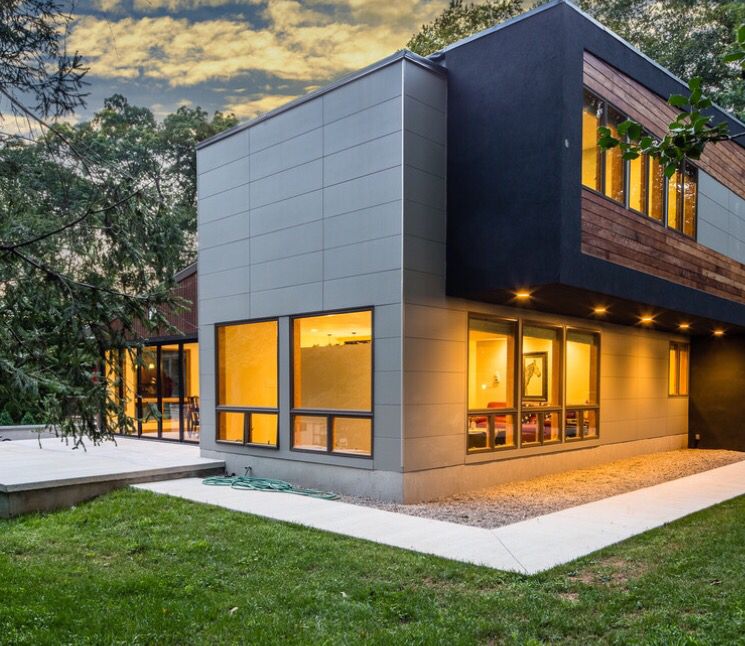
The exterior of a home is far more than just its outer shell; it is the first impression, a statement of style, a testament to quality, and the primary guardian against the elements. While standard finishes offer basic protection, discerning homeowners increasingly seek premium exterior finishes to achieve unparalleled aesthetics, superior durability, enhanced energy efficiency, and a significant boost in property value. These high-end materials transform a house into a landmark, reflecting sophistication, sustainability, and a deep appreciation for architectural excellence.
This comprehensive guide delves into the world of premium exterior finishes, exploring their benefits, the diverse range of materials available, crucial factors to consider during selection, and the enduring impact they have on a home’s character and longevity.
The Indispensable Value of Premium Exterior Finishes
Investing in premium exterior finishes is a strategic decision that yields multiple long-term benefits:
-
Unmatched Aesthetic Appeal and Curb Appeal: Premium finishes offer a depth of character, texture, and visual richness that standard materials simply cannot replicate. From the nuanced grain of exotic wood to the timeless elegance of natural stone or the sleek modernity of architectural metals, these materials create a distinctive and memorable facade. This elevated aesthetic significantly enhances curb appeal, making the home stand out in its neighborhood.
-
Superior Durability and Longevity: Designed to withstand the harshest environmental conditions, premium finishes boast exceptional resilience against weather, UV radiation, pests, and general wear and tear. Their inherent strength and robust construction mean they resist fading, cracking, warping, and deterioration for decades, often outliving conventional materials by a significant margin. This longevity translates directly into fewer repairs and replacements over the home’s lifespan.
-
Increased Home Value and Return on Investment (ROI): A home clad in premium materials immediately signals quality and luxury. Potential buyers recognize the substantial investment and the benefits of reduced future maintenance, translating into higher appraisal values and a stronger selling proposition. While the initial outlay is higher, the long-term ROI often justifies the expense through increased equity and desirability.
-
Reduced Maintenance Requirements: Many premium finishes are inherently low-maintenance. Materials like certain metals develop a protective patina, while high-performance composites resist rot and pests. Natural stone and brick require minimal upkeep beyond occasional cleaning. This reduction in ongoing maintenance tasks and costs is a significant advantage for busy homeowners.
-
Enhanced Energy Efficiency: Beyond aesthetics, many premium finishes contribute to a home’s thermal performance. Properly installed, materials like thick natural stone or advanced stucco systems (EIFS – Exterior Insulation and Finish Systems) can provide superior insulation, helping to regulate interior temperatures, reduce reliance on heating and cooling systems, and lower energy bills.
-
Exceptional Protection from the Elements: Premium finishes act as a robust shield, protecting the structural integrity of the home from moisture intrusion, extreme temperatures, high winds, and other environmental stressors. This superior protection prevents costly damage to the underlying structure, ensuring the home remains sound and secure for generations.
-
Personalization and Architectural Expression: Premium materials offer an expansive palette for architectural creativity. Homeowners and designers can choose from a vast array of colors, textures, patterns, and forms to perfectly align the exterior with their personal vision, the home’s architectural style, and the surrounding landscape.
A Diverse Palette: Types of Premium Exterior Finishes
The market for premium exterior finishes is rich with innovative and time-honored materials, each offering unique characteristics and benefits:
1. Natural Stone
Natural stone cladding exudes an unparalleled sense of permanence, luxury, and connection to nature. Each piece is unique, with variations in color, veining, and texture that create a truly bespoke facade.
- Types: Granite, marble, limestone, slate, quartzite, fieldstone.
- Advantages: Extreme durability, timeless beauty, excellent thermal mass, fire resistance, minimal maintenance, increases property value significantly.
- Considerations: High initial cost, heavy (requires strong structural support), specialized installation.
- Applications: Full stone cladding, accent walls, wainscoting, chimney surrounds.
2. Manufactured Stone Veneer
While not natural stone, high-quality manufactured stone veneer offers a convincing aesthetic alternative at a lower cost and weight. It’s crafted from concrete, aggregates, and pigments to mimic the look and feel of natural stone.
- Advantages: Lighter weight (less structural demand), easier and faster installation, lower cost than natural stone, wide variety of styles and colors.
- Considerations: Not as durable or long-lasting as natural stone, can look artificial if quality is poor, some maintenance required to prevent fading or staining.
- Applications: Similar to natural stone, often used for entire facades or significant accent areas.
3. High-Performance Wood and Composites
Wood offers warmth, natural beauty, and versatility. Premium wood finishes go beyond standard siding, offering enhanced durability and unique aesthetic qualities.
- Exotic Hardwoods: Ipe, Teak, Garapa, and Massaranduba are incredibly dense, naturally resistant to rot, insects, and decay, and develop a beautiful silver-grey patina over time if left untreated.
- Advantages: Exceptional durability, natural resistance to pests and rot, distinct grain patterns.
- Considerations: High cost, ethical sourcing concerns (ensure FSC certified), can be challenging to work with.
- Modified Woods: Accoya, Kebony, and Thermally Modified Wood are sustainably harvested softwoods treated to enhance their durability, stability, and resistance to rot and insects, performing like hardwoods.
- Advantages: Sustainable, dimensionally stable (less warping/cupping), rot and insect resistant, excellent longevity.
- Considerations: Higher cost than conventional wood, specific installation requirements.
- Wood-Plastic Composites (WPC) / Engineered Wood Siding: High-end composites blend wood fibers with recycled plastics, offering the look of wood without the maintenance. Brands like James Hardie (fiber cement) or LP SmartSide (engineered wood strand) offer highly durable, low-maintenance options with excellent warranties.
- Advantages: Extremely low maintenance, rot and insect proof, consistent quality, often comes pre-finished, excellent warranties.
- Considerations: Can lack the natural warmth of real wood, initial cost higher than vinyl.
4. Architectural Metals
Metals bring a modern, sophisticated, and often industrial aesthetic to home exteriors. They are prized for their durability, unique visual properties, and sustainability.
- Zinc: Known for its soft, matte finish and ability to develop a beautiful, self-healing patina. It’s extremely durable, corrosion-resistant, and 100% recyclable.
- Advantages: Long lifespan (100+ years), low maintenance, self-healing patina, sustainable.
- Considerations: High initial cost, specialized fabrication and installation.
- Copper: Develops a distinctive green-blue patina (verdigris) over time, offering a classic yet evolving look. It’s highly durable and resistant to corrosion.
- Advantages: Stunning aesthetic evolution, extremely long-lasting, recyclable, resists biological growth.
- Considerations: High cost, patina development can be uneven, run-off can stain adjacent materials.
- Corten Steel (Weathering Steel): Forms a stable, rust-like appearance that acts as a protective layer, eliminating the need for painting. It offers a raw, industrial-chic aesthetic.
- Advantages: Unique rustic appearance, no painting required, very durable.
- Considerations: Initial rust run-off can stain surrounding surfaces, not suitable for all climates (e.g., coastal areas with high salt).
- Aluminum: Lightweight, versatile, and available in a wide range of colors and finishes (anodized, powder-coated). It’s corrosion-resistant and recyclable.
- Advantages: Lightweight, low maintenance, durable, versatile in design, recyclable.
- Considerations: Can dent, color finish can fade over time if not high quality.
- Stainless Steel: Offers a sleek, contemporary, and highly durable finish.
- Advantages: High corrosion resistance, modern aesthetic, very strong.
- Considerations: High cost, can show fingerprints/smudges, specialized cleaning.
- Applications: Standing seam roofs, wall panels, facade accents, soffits.
5. Advanced Stucco and Render Systems (EIFS)
While traditional stucco is common, premium stucco systems, particularly Exterior Insulation and Finish Systems (EIFS), offer superior performance. EIFS is a multi-layered exterior finish system that includes a layer of insulation, a base coat with fiberglass mesh, and a durable, textured finish coat.
- Advantages: Excellent thermal performance (reduces energy costs), highly durable, flexible (resists cracking better than traditional stucco), wide range of colors and textures, seamless appearance.
- Considerations: Requires expert installation to prevent moisture intrusion, can be more susceptible to impact damage than harder materials.
- Applications: Modern and contemporary homes, commercial buildings.
6. Premium Brick and Masonry
Beyond standard clay brick, premium options include glazed brick, oversized bricks, custom blends, or thin brick veneers. These offer enhanced durability, unique aesthetics, and low maintenance.
- Advantages: Exceptional durability and longevity, low maintenance, fire resistance, excellent thermal mass, timeless aesthetic.
- Considerations: Heavy (requires proper foundation), skilled labor for installation, limited color palette compared to paints.
- Applications: Full brick facades, accent details, garden walls.
7. High-Performance Coatings and Paints
For homes where paint is the primary finish, premium paints and coatings offer significantly enhanced durability, weather resistance, and aesthetic longevity.
- Elastomeric Paints: Highly flexible and waterproof, ideal for sealing small cracks and protecting against moisture.
- Self-Cleaning Paints: Utilize photocatalytic technology to break down organic matter and pollutants, keeping the facade cleaner for longer.
- Ceramic-Infused Paints: Contain microscopic ceramic beads that provide enhanced insulation and durability.
- Advantages: Cost-effective compared to other premium finishes, wide range of colors, can revitalize existing surfaces.
- Considerations: Requires regular reapplication (though less frequent than standard paints), doesn’t offer the textural depth of other materials.
Crucial Factors When Choosing Premium Exterior Finishes
Selecting the right premium finish requires careful consideration of several key factors:
-
Architectural Style and Aesthetic Vision: The chosen material should complement the home’s architectural style (e.g., natural stone for traditional, metals for modern, wood for rustic) and align with the homeowner’s desired aesthetic.
-
Climate and Environmental Conditions: Consider the local climate: extreme temperatures, heavy rainfall, humidity, high winds, salt spray (coastal areas), and UV exposure. Some materials perform better under specific conditions (e.g., zinc in corrosive environments, certain woods in dry climates).
-
Budget and Long-Term Costs: While premium finishes have a higher initial cost, factor in the long-term savings from reduced maintenance, increased energy efficiency, and enhanced property value. A holistic view of the budget is essential.
-
Maintenance Requirements: Understand the ongoing care each material demands. Some finishes are virtually maintenance-free, while others may require periodic cleaning, sealing, or re-oiling.
-
Sustainability and Environmental Impact: For eco-conscious homeowners, consider materials’ embodied energy, recyclability, sourcing (e.g., FSC-certified wood), and manufacturing processes. Many premium options are inherently sustainable.
-
Installation Complexity and Expertise: Premium materials often require specialized knowledge and skilled craftsmanship for proper installation. Improper installation can negate the benefits and lead to costly issues. Always work with experienced professionals.
-
Local Building Codes and Regulations: Ensure the chosen materials comply with local zoning laws, building codes, and any homeowner association (HOA) restrictions.
-
Homeowner’s Lifestyle: Consider how the home is used. For example, a family with active children might prioritize impact resistance, while a retiree might favor minimal maintenance.
The Installation Process: A Commitment to Excellence
The quality of installation is paramount for premium exterior finishes. Even the most exquisite materials will underperform if not installed correctly. This typically involves:
- Thorough Substrate Preparation: Ensuring the underlying structure is sound, clean, and properly waterproofed.
- Precision and Attention to Detail: Premium finishes often require meticulous cutting, fitting, and fastening techniques.
- Proper Moisture Management: Implementing robust flashing, drainage planes, and sealants to prevent water intrusion – a critical aspect for longevity.
- Skilled Labor: Engaging experienced architects, designers, and certified installers who specialize in the chosen materials is non-negotiable.
The Future of Premium Exterior Finishes
The trend towards performance, sustainability, and unique aesthetics continues to evolve. Future innovations will likely include:
- Smarter Materials: Self-healing coatings, materials that generate energy, and integrated sensor technologies.
- Greater Customization: More bespoke options for texture, color, and form through advanced manufacturing.
- Biophilic Design: Increased integration of living walls and natural elements directly into the facade.
- Hybrid Solutions: Combining different premium materials to create dynamic, multi-textured facades that maximize both aesthetic impact and performance.
Conclusion
Premium exterior finishes represent a significant investment, but one that profoundly enhances a home’s beauty, durability, energy efficiency, and long-term value. They transform a utilitarian shell into a personalized masterpiece, offering unparalleled protection and a distinct identity. By carefully considering the diverse range of materials, understanding their benefits, and partnering with skilled professionals, homeowners can select a finish that not only protects their most valuable asset but also elevates it to an enduring symbol of quality and design excellence. The exterior of a home is its lasting legacy, and with premium finishes, that legacy is one of unparalleled strength, beauty, and sophistication.