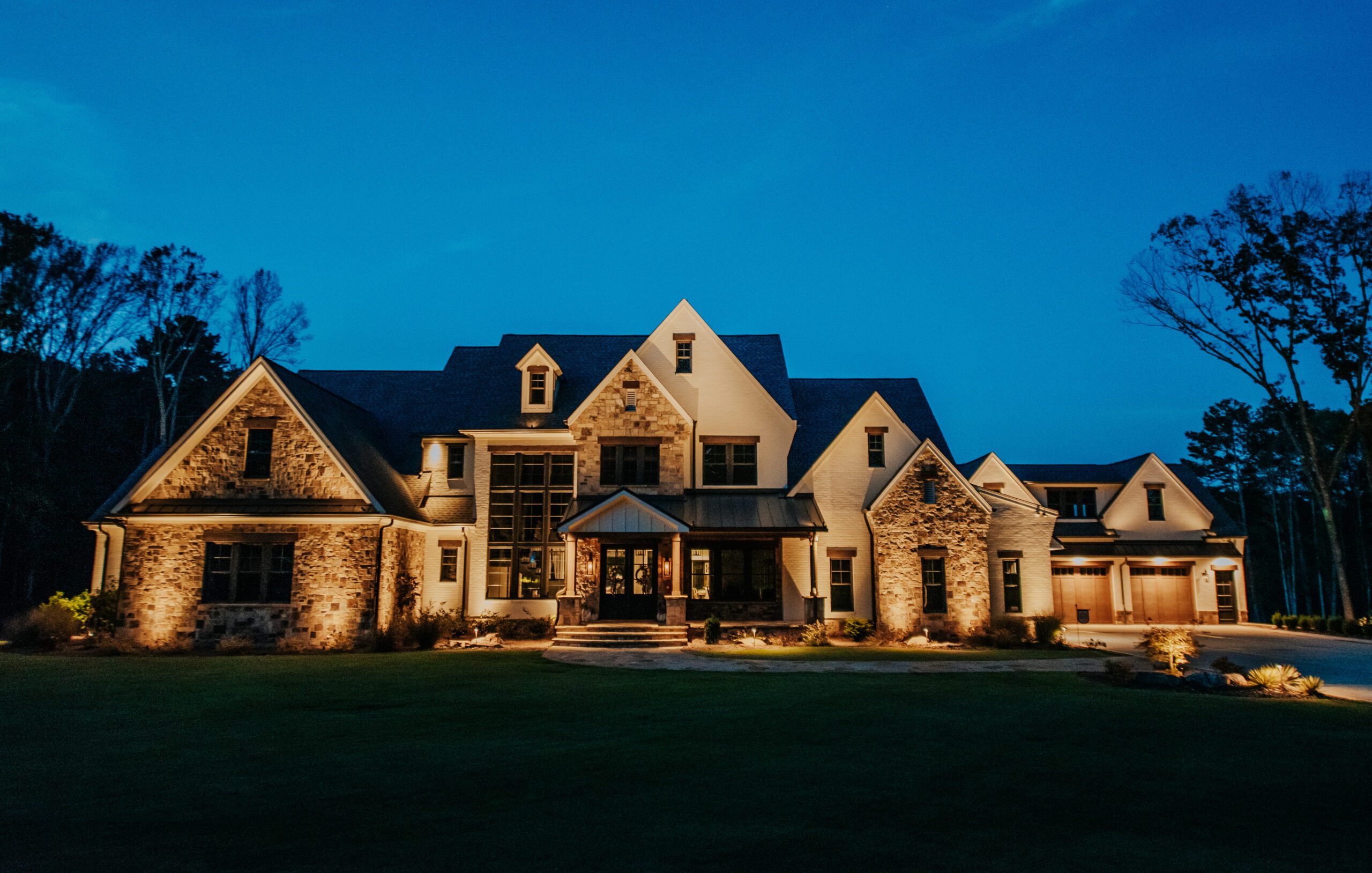
The Art of Illumination: Crafting Luxury with High-End Exterior Lighting Design
In the realm of luxury real estate and sophisticated architectural design, exterior lighting is no longer an afterthought but a pivotal element that defines the character, enhances the beauty, and elevates the experience of a property. High-end exterior lighting design transcends mere illumination; it is an intricate art form, a meticulous science, and a strategic investment that sculpts landscapes, highlights architectural masterpieces, ensures safety, and extends the functionality and allure of outdoor spaces long after sunset. This article delves into the multifaceted world of high-end exterior lighting design, exploring its philosophy, principles, technologies, and the profound impact it has on creating truly extraordinary environments.
The Philosophy: Beyond Visibility
At its core, high-end exterior lighting design is about creating an emotional connection with a space. It’s about storytelling, mood-setting, and revealing the hidden narratives of a property once daylight fades. Unlike conventional lighting that aims simply to brighten, luxury lighting is a deliberate act of curation. It seeks to:
- Enhance Architecture: Drawing attention to unique structural features, textures, and materials, making buildings appear more monumental, inviting, or dramatic.
- Sculpt Landscapes: Highlighting trees, water features, sculptures, and garden paths, transforming a daytime vista into a captivating nocturnal tableau.
- Define Zones and Pathways: Guiding visitors safely and intuitively through the property, while subtly demarcating areas for relaxation, entertainment, or privacy.
- Create Ambiance and Mood: Using varying intensities, color temperatures, and beam spreads to evoke feelings of warmth, grandeur, tranquility, or excitement.
- Ensure Safety and Security: Illuminating potential hazards, deterring intruders, and providing a sense of comfort without resorting to harsh, intrusive light.
- Extend Usability: Enabling the enjoyment of outdoor living areas, patios, and entertainment spaces well into the evening.
This philosophy dictates that every light fixture, every beam of light, and every shadow is intentional, contributing to a cohesive and breathtaking nocturnal landscape.
Key Principles and Design Considerations
Achieving this level of sophistication requires adherence to several fundamental design principles:
1. Layering Light
A hallmark of high-end design is the strategic layering of different types of illumination to create depth, interest, and functionality. This typically includes:
- Ambient Lighting: The general, soft illumination that provides overall visibility and a base level of brightness. This might come from subtle path lights, integrated architectural lighting, or soft downlights.
- Accent Lighting: Focused light used to highlight specific features like architectural details, trees, artwork, or water features. Uplights, spotlights, and narrow-beam fixtures are common here.
- Task Lighting: Direct, functional light for specific activities, such as grilling areas, outdoor kitchens, or reading nooks.
- Decorative Lighting: Fixtures chosen for their aesthetic appeal as much as their light output, acting as visual anchors or art pieces themselves (e.g., custom lanterns, ornate sconces).
- Moonlighting: A unique technique where lights are placed high in trees, casting a natural, dappled glow that mimics moonlight, creating a serene and expansive feel.
2. Light Temperature (Correlated Color Temperature – CCT)
The color of light significantly impacts mood and perception. High-end designs meticulously select CCTs, typically ranging from warm (2200K-3000K) to neutral (3500K-4000K). Warm light evokes comfort and intimacy, ideal for residential settings and natural landscapes, while cooler temperatures can highlight modern architecture or create a crisp, energetic feel. The choice is often dictated by the materials being lit and the desired emotional response.
3. Beam Spread and Distribution
Controlling how light spreads is crucial. Narrow beams create dramatic accents, while wide floods wash surfaces evenly. Sophisticated optics allow designers to precisely control the light, preventing spill into unwanted areas and focusing illumination exactly where it’s needed. Adjustable beam fixtures offer unparalleled flexibility.
4. Glare Control
Perhaps the most critical, yet often overlooked, aspect of luxury lighting is the elimination of glare. High-end design ensures that the light source itself is rarely visible, or if it is, it is beautifully integrated and softened. Shielding, recessed fixtures, frosted lenses, and careful aiming protect the viewer’s eyes, ensuring comfort and allowing the illuminated objects to be the stars of the show.
5. Dark Sky Compliance
Responsible luxury lighting respects the night sky. High-end systems are designed to minimize light pollution, directing light downwards and avoiding unnecessary upward light spill. This preserves the natural nocturnal environment, benefits wildlife, and allows for stargazing, aligning with a broader commitment to sustainability.
6. Durability and Materiality
Outdoor environments are harsh. High-end fixtures are crafted from marine-grade stainless steel, solid copper, brass, or powder-coated aluminum, ensuring longevity, resistance to corrosion, and sustained aesthetic appeal. IP (Ingress Protection) ratings are critical, indicating resistance to dust and water. The materials of the fixtures themselves contribute to the daytime aesthetic, seamlessly blending with the architecture and landscape.
The Art of Illumination: Techniques and Effects
Beyond principles, designers employ specific techniques to achieve stunning visual effects:
- Uplighting: Placing fixtures at the base of trees, columns, or walls to project light upwards, creating dramatic shadows and emphasizing verticality.
- Downlighting: Mounting fixtures overhead (e.g., under eaves, pergolas, or high in trees) to cast light downwards, providing ambient illumination or accentuating specific areas.
- Grazing: Positioning lights close to a textured surface (like stone, brick, or wood) to skim light across it, enhancing its tactile qualities and creating dramatic shadows.
- Washing: Spreading an even, broad layer of light across a surface, such as a façade or a hedge, to create a uniform glow.
- Silhouetting/Backlighting: Placing a light source behind an object (e.g., a sculpture or a tree) to create a dramatic silhouette against a softly lit background.
- Path and Step Lighting: Functional yet beautiful, these lights guide movement safely, often integrated discreetly into the hardscape.
- Water Feature Lighting: Submersible lights transform fountains, pools, and ponds into mesmerizing focal points, highlighting movement and reflection.
- Façade Lighting: Grand scale lighting that defines the entire exterior of a building, often using a combination of washing, grazing, and accent techniques.
Cutting-Edge Technology and Smart Solutions
Modern high-end exterior lighting is inextricably linked with advanced technology, primarily through the dominance of LED (Light Emitting Diode) systems and sophisticated control mechanisms.
1. LED Technology
LEDs are the backbone of contemporary luxury lighting due to:
- Energy Efficiency: Significantly lower power consumption compared to traditional sources, leading to reduced operational costs and environmental impact.
- Longevity: Lifespans often exceeding 50,000 hours, meaning less maintenance and replacement.
- Compact Size: Allows for smaller, more discreet fixtures that can be seamlessly integrated into architecture and landscape.
- Directional Light: LEDs emit light in a specific direction, minimizing wasted light and improving control.
- Color Versatility: Available in a vast range of CCTs, including tunable white (allowing adjustment of warm to cool light) and RGBW (Red, Green, Blue, White) for dynamic color-changing effects.
- Instant On/Off and Dimming: Full dimmability provides precise control over light intensity, enabling subtle adjustments for different moods or times of the night.
2. Smart Control Systems
The true magic of high-end exterior lighting often lies in its control system. These intelligent networks offer unparalleled flexibility and automation:
- Zoning: Dividing the property into distinct lighting zones that can be controlled independently.
- Scheduling: Astronomical time clocks automatically adjust for sunrise/sunset times, ensuring lights activate and deactivate precisely when needed.
- Dimming: Precise control over light intensity for each zone or fixture, allowing for dynamic scene creation.
- Motion Sensors: Enhancing security and energy efficiency by activating lights only when movement is detected.
- Remote Access and App Control: Managing lighting from anywhere via smartphones or tablets, integrating with broader home automation systems.
- Pre-programmed Scenes: Creating "welcome home," "party," "dinner," or "night mode" scenes with a single touch, transforming the entire property’s ambiance instantly.
- Dynamic Lighting: Systems that can adjust CCT throughout the evening, mimicking the natural progression of daylight or adapting to seasonal changes.
- Wireless Connectivity: Simplifying installation and offering greater flexibility in fixture placement.
The Design Process: From Concept to Realization
A high-end exterior lighting project follows a meticulous, multi-stage process:
- Initial Consultation and Site Analysis: Understanding the client’s vision, lifestyle, aesthetic preferences, and budget. A thorough analysis of the property’s architecture, landscape, existing utilities, and surrounding environment is crucial.
- Conceptual Design and Mood Boards: Developing initial ideas, presenting preliminary concepts through sketches, renderings, and mood boards that convey the desired ambiance and effects.
- Detailed Design and Specification: Translating concepts into technical drawings, including fixture placement, wiring diagrams, photometrics (light level calculations), and detailed specifications for each fixture, control system, and accessory. This stage involves close collaboration with architects, landscape designers, and electricians.
- Fixture Selection and Customization: Choosing premium-grade fixtures that meet both aesthetic and performance requirements. For truly unique properties, bespoke fixtures may be commissioned.
- Installation and Commissioning: Professional installation by skilled technicians who understand the nuances of exterior wiring, fixture placement, and aiming. The commissioning phase involves programming the control system, fine-tuning light levels, and ensuring all elements work seamlessly together.
- Maintenance and Support: High-end systems require periodic checks and maintenance to ensure optimal performance and longevity.
The Return on Investment (ROI) of High-End Lighting
While the initial investment in high-end exterior lighting can be substantial, the returns are multifaceted and profound:
- Increased Property Value: Exquisite lighting significantly enhances curb appeal and property value, making a compelling statement to potential buyers.
- Elevated Lifestyle: It transforms outdoor spaces into extensions of the home, expanding living areas and creating opportunities for evening entertainment, relaxation, and enjoyment.
- Enhanced Safety and Security: Well-lit properties deter intruders and prevent accidents, offering peace of mind.
- Architectural Showcase: It allows the property’s unique design and landscape to be admired and appreciated 24/7, not just during daylight hours.
- Energy Efficiency and Sustainability: Modern LED and smart control systems reduce energy consumption and environmental impact over the long term.
- Personal Enjoyment: Ultimately, the greatest return is the daily pleasure and pride of owning a property that is beautifully illuminated, creating an unforgettable experience for residents and guests alike.
Conclusion
High-end exterior lighting design is an indispensable component of luxury living, an intricate dance between art, technology, and functionality. It moves beyond the utilitarian, transforming outdoor environments into living masterpieces that evolve with the evening, enhancing architectural narratives, sculpting natural beauty, and fostering an unparalleled sense of place and well-being. By embracing sophisticated design principles, cutting-edge technology, and a meticulous execution process, designers and homeowners can unlock the full potential of their properties, creating exterior spaces that are not just seen, but truly experienced and remembered. It is an investment in beauty, security, and an elevated lifestyle, illuminating the path to architectural distinction and personal delight.