>
Building Your Dream Without Breaking the Bank: The Rise of Affordable Custom Home Builders Near You
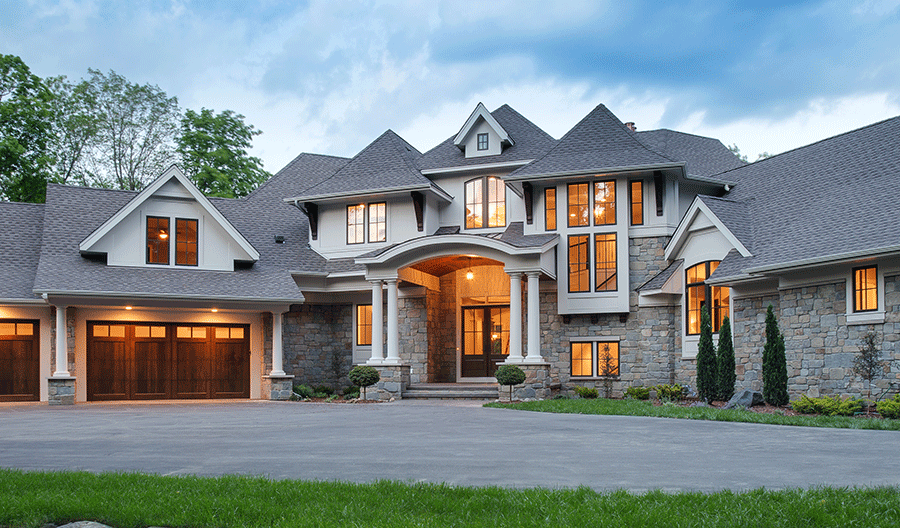
The dream of owning a custom-built home is one many cherish – a space perfectly tailored to your lifestyle, reflecting your unique tastes, and designed for optimal comfort and functionality. For a long time, the phrase "custom home" conjured images of extravagant budgets, endless expenses, and a process reserved for the ultra-wealthy. However, a significant shift is underway in the housing market. Today, an increasing number of homeowners are discovering that a personalized living space doesn’t have to come with a sky-high price tag, thanks to the emergence of affordable custom home builders near you.
This article will delve into how you can achieve your custom home dream on a realistic budget, what to look for in local affordable custom builders, strategies to keep costs down without sacrificing quality, and the immense benefits of choosing this path.
The Myth of the Unaffordable Custom Home
Let’s first dismantle the biggest barrier: the perception that custom homes are inherently unaffordable. While it’s true that bespoke creations often cost more than mass-produced alternatives, the "custom" aspect doesn’t automatically equate to "luxurious" or "expensive." It simply means a home designed and built to your specific requirements, rather than a pre-designed model from a tract builder.
Affordability in custom home building is achieved through smart planning, strategic design choices, careful material selection, and, crucially, partnering with the right builder who specializes in value engineering and budget-conscious solutions.
Why Choose an Affordable Custom Home?
Beyond the initial cost savings, opting for an affordable custom home offers a multitude of advantages:
- Personalization: Your home will truly reflect your personality, lifestyle, and needs. No more compromising on layouts, finishes, or features that don’t quite fit.
- Optimized Space: Every square foot can be designed with purpose, eliminating wasted space common in pre-built homes. This can mean a smaller, yet more functional and efficient home.
- Long-Term Savings: By choosing energy-efficient designs, materials, and systems from the outset, you can significantly reduce utility bills for years to come.
- Quality Control: You have more input into the quality of materials and construction methods, leading to a more durable and well-built home.
- Investment Value: A well-designed, custom-built home often holds its value better and can be more appealing to future buyers due to its unique features and quality.
- Health and Wellness: You can select materials that contribute to a healthier indoor environment, avoiding common allergens or toxins found in some mass-produced components.
Strategies for Building an Affordable Custom Home
Achieving affordability in custom building requires a proactive approach and a clear understanding of where costs can be managed. Here are key strategies:
1. Smart Design Choices are Paramount
- Smaller Footprint: The most direct way to save money is to build less. A smaller home requires fewer materials, less labor, and often, a smaller lot. Focus on efficient layouts rather than sheer size.
- Simple Rooflines and Architectural Forms: Complex roofs with multiple gables, dormers, and valleys require more materials and specialized labor, significantly increasing costs. Simple rectangular or square footprints with straightforward rooflines are far more economical.
- Open Concept Living: Fewer interior walls mean less framing, drywall, and finishing, contributing to savings while creating a spacious feel.
- Standard Dimensions: Using standard-sized windows, doors, cabinets, and building materials reduces custom fabrication costs and material waste.
- Multi-functional Spaces: Design rooms that can serve multiple purposes (e.g., a guest room that doubles as an office or hobby space) to maximize utility without expanding the footprint.
- Minimize "Wet Walls": Grouping plumbing fixtures (bathrooms, kitchens, laundry rooms) together can significantly reduce plumbing costs by centralizing lines.
2. Strategic Material Selection
- Local Materials: Sourcing materials locally can reduce transportation costs and support local economies.
- Value-Engineered Alternatives: Instead of opting for the most expensive options, explore high-quality, durable, yet more affordable alternatives. For example, engineered hardwood floors instead of solid hardwood, polished concrete floors instead of high-end tile, or laminate countertops instead of granite (or choose granite only in high-impact areas like an island).
- Standard Finishes: While custom options are available, choosing standard finishes (paint colors, tile sizes, fixture styles) from a builder’s pre-approved selection can streamline the process and reduce costs.
- Energy-Efficient Options: Invest in good insulation, high-performance windows, and energy-efficient HVAC systems. While these might have a higher upfront cost, they lead to substantial savings on utility bills over the home’s lifespan.
3. Land Selection and Preparation
The cost of your land can be a major factor in overall affordability.
- Location, Location, Location: Land in highly desirable, developed areas will be more expensive. Consider slightly less developed or outlying areas if commuting allows.
- Topography: Flat, easily accessible lots are generally cheaper to build on than sloped, rocky, or heavily wooded parcels, which require extensive site preparation, grading, and foundation work.
- Utilities: Ensure the lot has easy access to essential utilities (water, sewer/septic, electricity, gas, internet). Connecting to distant utilities can incur significant costs.
4. The Builder-Client Relationship and Process
- Early Builder Involvement: Involve your chosen builder early in the design phase. They can provide valuable insights into cost-saving design decisions and material selections, a process known as "value engineering."
- Clear Communication: Maintain open and honest communication with your builder about your budget and priorities. Any changes during construction are often the most expensive.
- Fixed-Price Contract: For budget certainty, a fixed-price contract is often preferred for affordable custom homes, though some builders may offer cost-plus with a guaranteed maximum price. Ensure you understand what is and isn’t included.
- Contingency Fund: Always budget an additional 10-15% of your total project cost for unexpected expenses. This is crucial for any construction project, especially custom builds.
Finding Affordable Custom Home Builders "Near Me"
Now that you understand the strategies, the critical next step is finding the right partner. The "near me" aspect is incredibly important for several reasons:
- Local Expertise: Local builders are familiar with regional building codes, permitting processes, zoning regulations, and climate considerations specific to your area.
- Established Relationships: They often have existing relationships with local subcontractors (plumbers, electricians, roofers) and suppliers, which can lead to better pricing and more reliable scheduling.
- Reputation and Accountability: A local builder’s reputation is often easier to verify through word-of-mouth, local reviews, and by visiting their past projects in the area. They are also more accountable to their local community.
- Convenience: Being physically close allows for easier site visits, meetings, and quicker responses to any issues that arise.
Here’s how to find them:
- Online Search Engines: Start with targeted searches like "affordable custom home builders [your city/region]," "budget-friendly custom homes [your state]," or "value custom builder [your county]."
- Local Directories & Review Sites: Check platforms like Houzz, Angi (formerly Angie’s List), Yelp, and the Better Business Bureau (BBB) for local builders and their reviews.
- Referrals:
- Real Estate Agents: Agents who specialize in new construction or land sales often have a network of reputable local builders.
- Architects/Designers: If you’ve already engaged an architect, they can recommend builders they’ve successfully collaborated with on budget-conscious projects.
- Friends, Family, Neighbors: Personal recommendations are invaluable. Ask people you know who have recently built or renovated their homes.
- Local Building Associations: Organizations like the National Association of Home Builders (NAHB) have local chapters with member directories.
- Drive Around: Pay attention to new construction in your desired areas. If you see homes being built that align with your aesthetic and seem reasonably sized, note the builder’s signs.
Vetting Potential Builders: Key Questions and Considerations
Once you have a list of potential candidates, it’s time for thorough vetting. Don’t rush this process; it’s the most crucial step in ensuring a successful and affordable build.
Initial Research:
- Check Licenses and Insurance: Verify that the builder is properly licensed and insured (liability and worker’s compensation). This protects you from financial responsibility in case of accidents or errors.
- Portfolio and Experience: Review their past projects. Do they have experience with homes similar in style, size, and budget to what you envision? Do their previous projects demonstrate quality craftsmanship?
- References: Always ask for and contact multiple references from recent clients. Ask about:
- Their overall satisfaction with the builder.
- If the project stayed on budget and on schedule.
- The quality of communication.
- How the builder handled unforeseen issues or changes.
- Would they hire them again?
During the Interview Process:
- Experience with Budget-Conscious Builds: Specifically ask about their experience in helping clients achieve custom homes within a defined budget. How do they approach value engineering?
- Design-Build Capability: Do they offer design-build services (where the builder also handles the design phase, often leading to more integrated and cost-efficient solutions), or do they prefer to work with independent architects?
- Communication Style: How do they typically communicate with clients (email, phone, in-person meetings, project management software)? How often can you expect updates?
- Project Management: How do they manage timelines, subcontractors, and material procurement to stay on schedule and budget?
- Cost Breakdown and Transparency: Request a detailed estimate that clearly itemizes all costs (materials, labor, permits, fees, builder’s profit). Be wary of vague estimates.
- Change Order Process: Understand their procedure for handling changes during construction, including how costs are calculated and approved.
- Warranty and After-Sales Service: What kind of warranty do they offer on their work, and what is their process for addressing issues after you move in?
- Subcontractor Relationships: How long have they worked with their key subcontractors? Stable relationships often indicate reliable quality and pricing.
- Payment Schedule: Understand the payment milestones and ensure they align with project progress. Avoid paying a large upfront deposit.
Understanding the Contract:
Before signing anything, thoroughly review the contract. It should clearly define:
- The scope of work (what is and isn’t included).
- The project timeline and key milestones.
- The total cost and payment schedule.
- Warranty details.
- Change order procedures.
- Dispute resolution mechanisms.
- Permitting responsibilities.
If you’re unsure about any aspect, consider having a legal professional review the contract.
The Journey to Your Affordable Custom Home
Building a custom home, even an affordable one, is a journey. It requires patience, clear decision-making, and a strong partnership with your builder.
- Design Phase: Work closely with your builder (or architect) to finalize plans that align with your budget and vision. This is where smart, cost-saving design choices are locked in.
- Permitting: Your builder will typically handle the acquisition of necessary permits from local authorities. This can take time, so factor it into your schedule.
- Construction: This is the exciting phase where your home takes shape. Regular site visits (as agreed with your builder) and consistent communication are key.
- Walkthrough and Punch List: Before final payment, you’ll do a detailed walkthrough with your builder to identify any items needing correction or completion (the "punch list").
- Move-In: The culmination of your hard work and planning – moving into your perfectly tailored, budget-friendly custom home!
Conclusion: Your Custom Home Dream is Within Reach
The notion that a custom home is an unattainable luxury is rapidly becoming a relic of the past. With careful planning, smart design choices, strategic material selection, and the expertise of affordable custom home builders near you, the dream of a personalized living space is more accessible than ever before.
By focusing on efficiency, value, and a strong partnership with a reputable local builder, you can embark on a rewarding journey that culminates in a home perfectly suited to your life, built to your specifications, and within your financial comfort zone. Start your research today, interview potential builders, and take the first step towards building your dream without breaking the bank. Your ideal home awaits.