>
The Resilient Ranch: Embracing Drought-Tolerant Landscaping for Sustainable Living
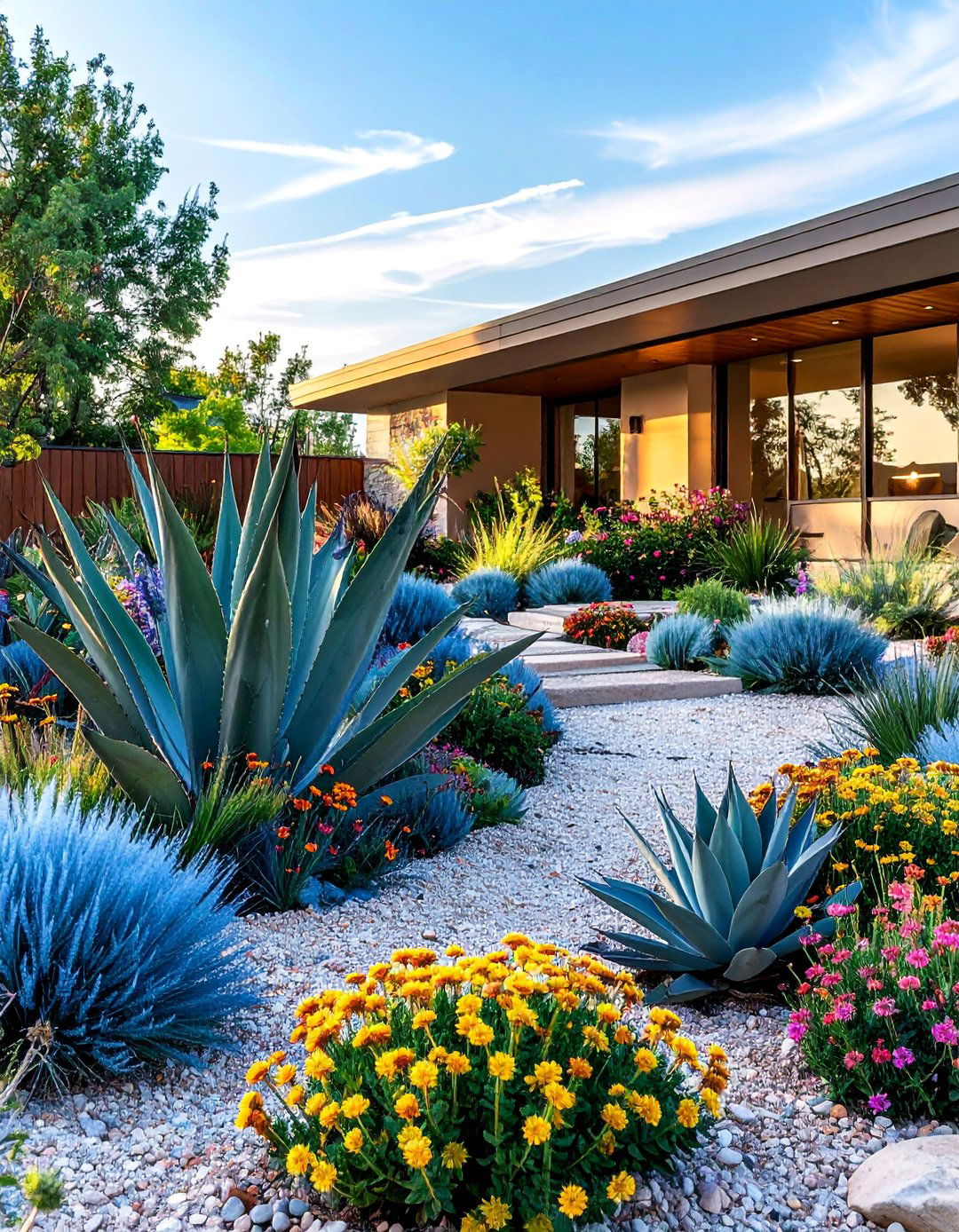
The classic ranch home, with its sprawling single-story layout, open floor plan, and often seamless connection to the outdoors, has long been an icon of American living. Traditionally nestled in expansive yards, these homes invite a landscape that complements their relaxed, unpretentious charm. However, in an era marked by increasing water scarcity and unpredictable climate patterns, the traditional water-guzzling lawn and thirsty ornamentals are becoming a relic of the past. Enter drought-tolerant landscaping – a movement that not only conserves precious resources but also enhances the beauty and resilience of the ranch home.
This comprehensive guide will explore the myriad benefits, core principles, and practical applications of creating a stunning, sustainable, and low-maintenance drought-tolerant landscape specifically tailored for the ranch home.
Why Ranch Homes and Drought Tolerance are a Perfect Match
Ranch homes, often built on larger lots, inherently offer a canvas for expansive outdoor living. Their low-slung profiles and generous windows blur the lines between indoor and outdoor spaces, making the landscape an integral part of the home’s aesthetic and functionality. This architectural style, which often evokes a sense of being connected to the land, naturally lends itself to a landscape that respects and integrates with its environment.
The sheer scale of many ranch home properties means that traditional landscaping choices can demand significant water, time, and resources. Adopting drought-tolerant practices for a ranch home isn’t just an ecological choice; it’s an economic and lifestyle one, aligning the home’s relaxed ethos with a practical approach to modern living.
The Multifaceted Benefits of a Resilient Ranch Landscape
Embracing drought-tolerant landscaping for your ranch home offers a wealth of advantages that extend far beyond simply saving water:
-
Environmental Stewardship:
- Water Conservation: This is the most obvious benefit. By selecting plants adapted to arid conditions and implementing efficient irrigation, you drastically reduce your outdoor water consumption.
- Reduced Runoff & Pollution: Less irrigation means less water running off your property, carrying fertilizers, pesticides, and soil into storm drains and local waterways.
- Biodiversity & Habitat: Many drought-tolerant plants are native or regionally adapted, providing essential food and shelter for local pollinators, birds, and beneficial insects, fostering a healthier ecosystem right in your backyard.
- Carbon Sequestration: Healthy plants absorb carbon dioxide, contributing to cleaner air.
-
Economic Savings:
- Lower Water Bills: A significant portion of household water usage often goes to outdoor irrigation. Drought-tolerant landscapes can slash these costs dramatically.
- Reduced Maintenance Costs: Less mowing, less frequent pruning, and reduced need for fertilizers and pesticides translate into savings on labor, equipment, and chemical products.
- Increased Property Value: A well-designed, water-wise landscape is increasingly seen as a desirable feature, enhancing curb appeal and property value, especially in drought-prone regions.
-
Aesthetic Appeal & Design Flexibility:
- Year-Round Interest: Unlike thirsty annuals that might fade in harsh conditions, many drought-tolerant plants offer sustained beauty through various seasons, with interesting textures, unique forms, and vibrant blooms.
- Unique Beauty: Break away from the monotonous green lawn. Drought-tolerant landscapes introduce a diverse palette of colors, shapes, and scents, creating dynamic and visually captivating spaces that complement the ranch aesthetic.
- Architectural Harmony: The natural, often earthy tones and textures of drought-tolerant plants beautifully echo the materials and lines of a ranch home, creating a cohesive and inviting environment.
-
Low Maintenance Lifestyle:
- Less Mowing & Pruning: Say goodbye to weekly lawn mowing. Many drought-tolerant plants require minimal shaping once established.
- Reduced Weeding: Healthy, mulched drought-tolerant beds naturally suppress weeds.
- Fewer Pests & Diseases: Native and adapted plants are generally more resilient to local pests and diseases, requiring less intervention.
Core Principles of Drought-Tolerant Design (Xeriscaping 101)
Creating a successful drought-tolerant landscape, often referred to as "xeriscaping" (from the Greek "xeros" meaning dry), involves several key principles:
-
Planning and Design:
- Site Analysis: Before digging, observe your yard. Map out sunny and shady areas, slopes, existing trees, and drainage patterns. Understand your soil type.
- Hydrozoning: Group plants with similar water needs together. Place high-water-use plants (if any) closest to the house or high-traffic areas where they can be easily watered, and low-water-use plants in more remote zones.
- Define Functional Areas: Consider how you want to use your outdoor space – entertaining, relaxation, play, pathways, privacy screens.
-
Soil Improvement:
- Healthy soil is crucial. Incorporate organic matter (compost) to improve drainage in clay soils and increase water retention in sandy soils. This allows plants to develop stronger root systems and access water more efficiently.
-
Efficient Irrigation:
- Drip Irrigation: This is the most efficient method, delivering water directly to the plant roots with minimal evaporation.
- Smart Controllers: Use weather-based or soil-moisture-sensor controllers that adjust watering schedules based on actual needs.
- Hand Watering: For specific plants or during establishment, hand watering can be precise.
- Deep and Infrequent: Encourage deep root growth by watering deeply but less often.
-
Plant Selection:
- This is the heart of drought-tolerant landscaping. Choose plants that are native to your region or well-adapted to local climate conditions.
- Look for plants with characteristics like small leaves, silvery or fuzzy foliage, waxy coatings, or succulent forms – these are often indicators of drought tolerance.
- Prioritize diversity in texture, height, and bloom time for year-round interest.
-
Mulching:
- Apply a 2-4 inch layer of organic mulch (wood chips, bark, shredded leaves) or inorganic mulch (gravel, decomposed granite) around plants.
- Mulch conserves soil moisture by reducing evaporation, suppresses weeds, regulates soil temperature, and, in the case of organic mulch, adds nutrients as it breaks down.
-
Reduced Turf Areas:
- Lawns are typically the biggest water consumers. Consider replacing large expanses of traditional turf with drought-tolerant groundcovers, permeable patios, native grasses, or garden beds.
- If you keep some turf, opt for drought-tolerant grass varieties and limit its size to functional areas.
-
Ongoing Maintenance:
- While "low maintenance," drought-tolerant landscapes still require some care: occasional weeding, targeted pruning, and monitoring irrigation systems.
- Establishment period: New plants will need more frequent watering initially to establish their root systems.
Designing for the Ranch Aesthetic
The relaxed, horizontal lines of a ranch home provide an ideal backdrop for a naturalistic, water-wise landscape. Here’s how to integrate drought-tolerant design with the ranch aesthetic:
- Embrace Expansive Views: Ranch homes often sit on generous lots. Use drought-tolerant plantings to frame distant views or create intimate garden "rooms" without obstructing the home’s open feel.
- Front Yard Curb Appeal: Create a welcoming entry with low-water shrubs, ornamental grasses, and perennials that offer color and texture without demanding constant care. Consider a meandering decomposed granite pathway flanked by lavender or rosemary.
- Backyard Oasis: Design outdoor living spaces – patios, fire pits, dining areas – using permeable hardscaping materials like pavers or gravel. Surround these areas with drought-tolerant plants that provide shade, privacy, and fragrance.
- Naturalistic Plantings: Mimic natural landscapes with drifts of ornamental grasses, groupings of succulents, and strategically placed boulders. This informal style perfectly complements the ranch’s relaxed vibe.
- Hardscaping Harmony: Integrate hardscaping elements like flagstone paths, gravel driveways, wooden decks, and low stone walls. These not only define spaces but also reduce the need for thirsty plantings. Choose materials that complement the home’s exterior finishes.
- Strategic Shade: Plant drought-tolerant shade trees (like Desert Willow or fruitless Olive) to cool the home and create comfortable outdoor living areas, reducing energy costs.
- Vertical Elements (Subtly): While ranch homes are horizontal, introduce subtle vertical interest with narrow, upright shrubs, or a small, sculptural tree to add depth without overwhelming the architecture.
- Water Features (Mindfully): If desired, opt for small, recirculating water features that use minimal water, like a bubbling rock or a small basin, to add sensory appeal without waste.
A Palette of Resilient Plants for Your Ranch Home
The diversity of drought-tolerant plants is vast, offering endless possibilities for color, texture, and form. Always choose plants suited to your specific climate zone and soil conditions. Here are some popular categories and examples:
- Trees (for shade and structure):
- Desert Willow (Chilopsis linearis): Beautiful, airy tree with orchid-like flowers.
- Palo Verde (Parkinsonia spp.): Striking green bark, yellow flowers, provides filtered shade.
- Fruitless Olive (Olea europaea ‘Wilsonii’): Classic Mediterranean look, silver foliage, elegant.
- Acacia (Acacia spp.): Many varieties offer fine texture and yellow blooms.
- Shrubs (for structure, privacy, and bloom):
- Manzanita (Arctostaphylos spp.): Gorgeous reddish bark, native to many Western regions.
- Ceanothus (California Lilac): Stunning blue flowers, many varieties.
- Rosemary (Salvia rosmarinus): Fragrant, edible, comes in upright and creeping forms.
- Lavender (Lavandula spp.): Iconic fragrance, purple blooms, attracts pollinators.
- Salvia (Sage): Diverse genus with many drought-tolerant, colorful varieties.
- Agave & Yucca: Sculptural forms, dramatic accents.
- Perennials (for continuous color and texture):
- Yarrow (Achillea millefolium): Flat-topped flowers, feathery foliage, many colors.
- Gaillardia (Blanket Flower): Bright, daisy-like flowers in red, orange, and yellow.
- Agastache (Hyssop): Spikes of fragrant flowers, attracts hummingbirds.
- Penstemon (Beard Tongue): Colorful tubular flowers, many native species.
- Sedum (Stonecrop): Succulent leaves, often late-season blooms, great groundcover or border plant.
- Ornamental Grasses (for movement, texture, and naturalism):
- Deergrass (Muhlenbergia rigens): Tall, elegant, clumping grass.
- Pink Muhly Grass (Muhlenbergia capillaris): Striking pink plumes in fall.
- Little Bluestem (Schizachyrium scoparium): Blue-green foliage turning bronze in fall.
- Feather Reed Grass (Calamagrostis x acutiflora ‘Karl Foerster’): Upright, feathery plumes. (Check for invasiveness in your area, some varieties are sterile).
- Succulents & Cacti (for architectural interest and extreme drought tolerance):
- Agave, Yucca, Aloe, Sedum, Echeveria, Opuntia (Prickly Pear).
- Groundcovers (for replacing turf and suppressing weeds):
- Dymondia margaretae (Silver Carpet): Very low-growing, silvery foliage, tolerates foot traffic.
- Thyme (Thymus spp.): Fragrant, low-growing, many varieties.
- Creeping Phlox (Phlox subulata): Mat-forming, vibrant spring blooms.
Always consult with local nurseries or extension services for the best plant choices for your specific microclimate and soil conditions.
Step-by-Step Implementation Guide
- Assess and Plan: Sketch your yard, noting sun/shade, slopes, and existing features. Define zones and functional areas. Research plants.
- Prepare the Soil: Remove existing turf and weeds. Amend soil with compost as needed.
- Install Irrigation: Lay out drip lines or adjust existing sprinklers for efficiency.
- Install Hardscaping: Build patios, paths, and retaining walls.
- Plant: Dig holes, place plants, backfill with soil, and water deeply.
- Mulch: Apply a generous layer of mulch around all plantings.
- Monitor and Maintain: Water new plants regularly until established. Adjust irrigation as plants mature. Perform occasional weeding and pruning.
Beyond the Basics: Enhancing Your Sustainable Ranch
- Rainwater Harvesting: Install rain barrels or a cistern to collect rainwater from your roof, which can then be used for supplemental irrigation.
- Wildlife Attraction: Choose plants that specifically attract local birds, butterflies, and beneficial insects to create a thriving ecosystem.
- Outdoor Lighting: Use energy-efficient LED lighting to highlight key features and extend the enjoyment of your landscape into the evening.
- Edible Landscaping: Incorporate drought-tolerant herbs (rosemary, thyme, oregano), fruit trees (fig, pomegranate in suitable climates), or raised beds for vegetables using water-wise techniques.
The Long-Term Vision: Maintenance and Evolution
While "low maintenance" is a significant benefit, it doesn’t mean "no maintenance." Your drought-tolerant ranch landscape will still require thoughtful care:
- Seasonal Adjustments: Monitor your irrigation system, adjusting schedules with the seasons.
- Targeted Pruning: Prune for plant health, shape, and to remove spent blooms or dead branches.
- Occasional Weeding: Keep an eye on weeds, especially when plants are young.
- Mulch Replenishment: Top up organic mulch every 1-2 years as it breaks down.
Over time, your drought-tolerant landscape will mature and evolve, becoming more self-sufficient and beautiful with each passing season. It’s a living canvas that reflects the resilience of nature and your commitment to sustainable living.
Conclusion
The ranch home, a symbol of freedom and connection to the land, finds its perfect modern complement in drought-tolerant landscaping. By embracing water-wise principles, you not only create an aesthetically stunning and functional outdoor space that harmonizes with your home’s architecture but also contribute significantly to environmental conservation and a more sustainable lifestyle. The resilient ranch, with its thriving, low-water landscape, stands as a testament to beauty, efficiency, and a forward-thinking approach to homeownership in the 21st century. It’s an investment that pays dividends in beauty, savings, and peace of mind, allowing you to truly relax and enjoy your piece of the great outdoors.