>
Transforming the Threshold: A Comprehensive Guide to Smart Home Exterior Upgrades
The concept of a "smart home" has traditionally conjured images of automated interiors – smart thermostats, voice-controlled lighting, and robotic vacuum cleaners. However, the true potential of intelligent living extends far beyond the confines of our four walls. As technology advances and seamlessly integrates into our daily lives, the exterior of our homes is increasingly becoming a canvas for innovation, offering a blend of enhanced security, unparalleled convenience, greater energy efficiency, and elevated aesthetics. Smart home exterior upgrades are no longer mere luxuries; they are fundamental components of a truly integrated, modern dwelling, transforming the very threshold of our properties into intelligent, responsive environments.
This comprehensive guide delves into the myriad ways homeowners can leverage smart technology to revolutionize their home’s exterior. From fortifying security perimeters to automating garden care, optimizing energy consumption, and creating vibrant outdoor entertainment zones, we will explore the key categories of smart exterior upgrades, discussing their benefits, practical applications, and considerations for implementation.
I. Enhanced Security and Surveillance: Your Digital Watchdog
Perhaps the most immediate and compelling reason for investing in smart exterior upgrades is the significant boost in security they provide. Modern smart security systems offer a multi-layered defense, deterring potential threats and providing peace of mind through constant vigilance.
1. Smart Doorbells with Video and Two-Way Audio:
The quintessential smart exterior device, a video doorbell replaces your traditional chime with a high-definition camera, motion detection, and two-way audio communication. When someone approaches your door, you receive an instant notification on your smartphone, allowing you to see and speak to visitors – or even delivery personnel – from anywhere in the world. Many models offer advanced features like package detection, pre-recorded quick replies, and facial recognition, ensuring you never miss a visitor or a crucial delivery. They act as a visible deterrent and a crucial first line of defense.
2. Outdoor Security Cameras:
Beyond the front door, outdoor security cameras provide comprehensive surveillance of your entire property. These cameras come in various forms:
- Wired vs. Wireless: Wired cameras offer continuous power and often more reliable connectivity, while wireless cameras provide flexible placement options, powered by batteries or solar panels.
- Fixed vs. Pan-Tilt-Zoom (PTZ): Fixed cameras monitor a specific area, while PTZ cameras allow remote control over their viewing angle, offering broader coverage.
- Features: Look for high-resolution video (1080p to 4K), night vision (infrared or color night vision), motion detection with customizable zones, AI-powered person/vehicle/animal detection, two-way audio, and cloud or local storage options for recorded footage.
- Integration: These cameras often integrate with your broader smart home ecosystem, allowing them to trigger smart lights or alarm systems upon detecting suspicious activity.
3. Smart Locks for Gates and Sheds:
While smart locks on the main entry doors are common, extending this technology to exterior gates, side doors, and sheds adds another layer of security and convenience. Keyless entry via keypads, fingerprint scanners, or smartphone apps means you no longer need to fumble with keys. You can grant temporary access codes to gardeners or delivery services and receive notifications whenever these locks are accessed, giving you complete control over who enters your property.
4. Motion-Activated Smart Floodlights:
Traditional floodlights are effective, but smart floodlights take illumination to the next level. Integrated with motion sensors and often cameras, these lights can be programmed to activate at specific times, when motion is detected, or even in response to other smart home triggers. They can illuminate dark areas, deter intruders with sudden bright light, and capture crucial video evidence, all while conserving energy by only activating when needed. Some models even allow for adjustable brightness and color temperature.
5. Integrated Alarm Systems:
The ultimate security upgrade involves a fully integrated smart alarm system that connects all your exterior sensors (motion, door/window sensors, glass break detectors) with your cameras, lights, and smart doorbell. In the event of a breach, the system can automatically trigger sirens, flash lights, record video, and send instant alerts to your phone or a professional monitoring service, ensuring a rapid and coordinated response.
II. Intelligent Lighting Systems: Ambiance, Security, and Efficiency
Smart lighting extends far beyond simply turning lights on and off remotely. For exteriors, it’s about creating mood, enhancing safety, and boosting energy efficiency.
1. Landscape and Pathway Lighting:
Smart landscape lighting systems allow you to illuminate your garden, pathways, and architectural features with precision and flair. Using smart LED lights, you can:
- Control Brightness and Color: Adjust intensity and choose from millions of colors to create different moods for parties, holidays, or everyday ambiance.
- Scheduling and Automation: Program lights to turn on at dusk and off at dawn, or create custom schedules based on your routine or local sunrise/sunset times.
- Motion Activation: Link pathway lights to motion sensors for safe navigation at night, ensuring paths are lit only when needed.
- Integration: Connect with smart security cameras to have lights flash if suspicious activity is detected, further deterring intruders.
2. Smart Floodlights and Wall Sconces:
As mentioned in security, smart floodlights are crucial. Additionally, smart wall sconces or porch lights can be integrated into your system, offering the same scheduling, dimming, and motion-activated capabilities, enhancing both curb appeal and safety around entry points.
3. Holiday and Seasonal Lighting:
Smart outdoor string lights and projection systems simplify holiday decorating. With app control, you can change colors, patterns, and themes with a tap, eliminating the need to climb ladders or manually plug/unplug lights. Some systems even sync with music for dynamic displays.
4. Energy Efficiency:
By automating lighting to only operate when necessary, using energy-efficient LEDs, and leveraging daylight sensors, smart exterior lighting significantly reduces electricity consumption and lowers utility bills.
III. Automated Landscaping and Garden Care: The Green Thumb’s Best Friend
Maintaining a pristine garden and lawn can be time-consuming. Smart technology simplifies these tasks, ensuring your outdoor spaces remain vibrant and healthy with minimal effort.
1. Smart Irrigation Systems:
These systems revolutionize watering. Instead of fixed schedules, smart irrigation controllers connect to local weather forecasts, soil moisture sensors, and plant databases to water your lawn and garden precisely when and how much they need it.
- Weather Awareness: They automatically adjust watering based on rain, temperature, and humidity, preventing overwatering or underwatering.
- Zone Control: Different areas of your garden (e.g., lawn, flower beds, vegetable patch) can have unique watering schedules and requirements.
- Leak Detection: Some advanced systems can detect leaks in your irrigation lines, preventing water waste and potential damage.
- Remote Control: Start, stop, or adjust watering schedules from your smartphone, even when you’re away from home.
2. Robotic Lawn Mowers:
Just like robotic vacuums, robotic lawn mowers autonomously trim your grass. Once an perimeter wire is installed, they operate on a schedule, navigating obstacles, and returning to their charging station when needed.
- Scheduled Mowing: Keep your lawn consistently manicured without lifting a finger.
- Quiet Operation: They are significantly quieter than traditional gas mowers.
- Eco-Friendly: Electric-powered and produce zero emissions.
- Theft Protection: Many come with PIN codes and GPS tracking to deter theft.
3. Smart Weather Stations:
Integrating a personal smart weather station provides hyper-local data on temperature, humidity, rainfall, wind speed, and UV index. This data can be used to inform your smart irrigation system, outdoor blinds, or even alert you to extreme weather conditions.
4. Smart Pest Control:
From ultrasonic pest deterrents to smart traps that notify you when they’ve caught something, technology can help manage unwanted guests in your garden more effectively and humanely.
IV. Smart Entry and Access Solutions: Seamless Transitions
Beyond the front door, smart technology can streamline access to various parts of your property, enhancing convenience and security.
1. Smart Garage Door Openers:
Upgrade your existing garage door opener to a smart one, allowing you to control and monitor your garage door from anywhere via your smartphone.
- Remote Control: Open or close the garage door for deliveries or guests, even when you’re not home.
- Status Alerts: Receive notifications if the door is left open for too long.
- Geofencing: Program the door to automatically open as you approach your home and close when you leave.
- Security: Verify if the door is closed, preventing unauthorized access.
2. Automated Gates:
For properties with driveways or pedestrian gates, smart gate openers offer similar benefits to smart garage doors. Control access remotely, set schedules, and integrate with your security cameras to verify visitors before granting entry.
3. Smart Package Delivery Solutions:
With the rise of online shopping, secure package delivery is a growing concern. Smart package lockers or dedicated drop boxes can be integrated into your smart home system, allowing delivery drivers to securely deposit packages, which you can then monitor and retrieve at your convenience.
V. Energy Efficiency and Sustainability: Greening Your Exterior
Smart exterior upgrades can play a significant role in reducing your home’s environmental footprint and lowering utility costs.
1. EV Charging Stations:
For electric vehicle owners, a smart EV charging station allows you to schedule charging during off-peak hours to save money, monitor energy consumption, and even integrate with solar panels to prioritize charging from renewable sources.
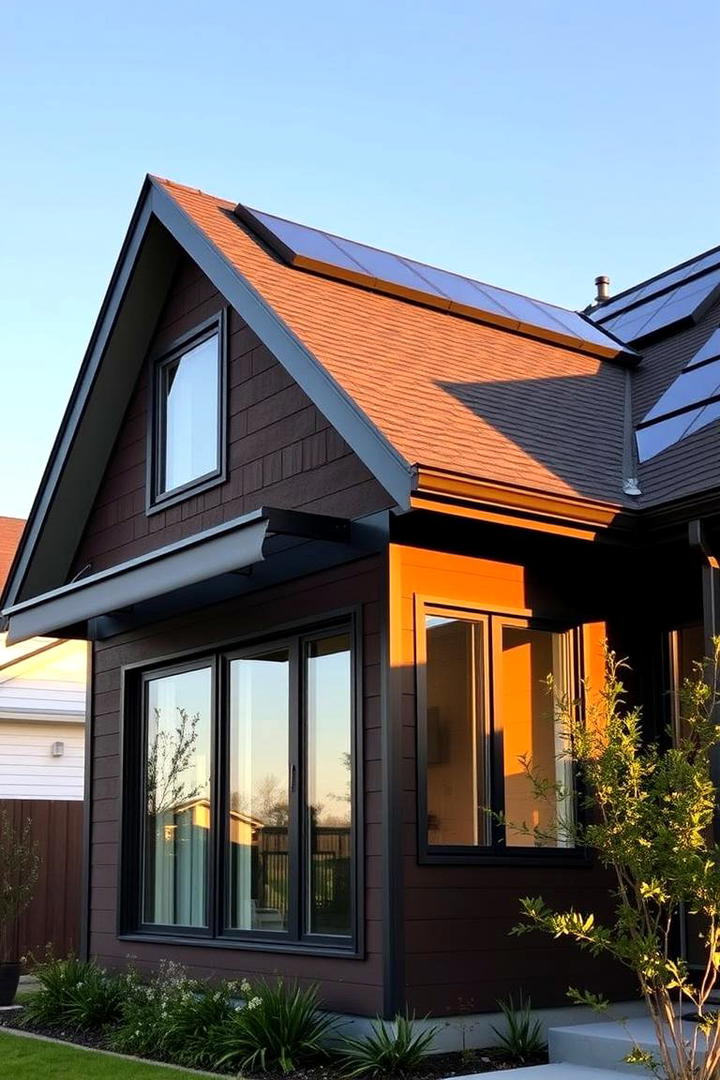
2. Solar Panel Integration:
While solar panels themselves are a sustainability upgrade, smart monitoring systems for these panels provide real-time data on energy production and consumption. This allows you to optimize energy usage, identify inefficiencies, and ensure your system is performing optimally.
3. Smart Exterior Window Treatments:
Motorized exterior shades or pergolas can be integrated into your smart home system. These can automatically adjust based on sun position, temperature, or scheduled times to reduce solar heat gain in summer, helping to keep your interior cooler and reducing reliance on air conditioning.
4. Weather-Aware Systems:
As discussed with irrigation, systems that react to real-time weather data (e.g., closing smart blinds before a storm, adjusting outdoor lighting based on cloud cover) contribute to overall energy efficiency and system longevity.
VI. Outdoor Entertainment and Lifestyle: Extending Your Living Space
The exterior of your home is an extension of your living space. Smart upgrades can transform patios, decks, and backyards into sophisticated entertainment and relaxation zones.
1. Outdoor Audio Systems:
Weatherproof smart speakers or entire outdoor audio systems can bring your music collection outdoors. Control playlists, volume, and zones from your smartphone, creating the perfect ambiance for gatherings, relaxation, or workouts. Many systems integrate with popular streaming services and voice assistants.
2. Outdoor Smart Displays and Projectors:
Imagine watching a movie under the stars. Weather-resistant outdoor TVs or smart projectors paired with an outdoor screen can create a cinematic experience in your backyard. These can connect to streaming devices and your home network for endless entertainment possibilities.
3. Smart Patio Heaters and Fans:
Extend the usability of your outdoor spaces year-round with smart patio heaters or outdoor ceiling fans. Control temperature and fan speed from your phone, ensuring comfort regardless of the weather. Some heaters even offer integrated lighting.
4. Smart Pool and Spa Control:
For homes with pools or spas, smart controllers can manage filtration pumps, heaters, lighting, and chemical levels from your smartphone. This ensures optimal water quality, energy efficiency, and convenience, eliminating manual adjustments.
VII. Integrating for a Seamless Experience: The Smart Ecosystem
The true power of smart home exterior upgrades lies in their ability to communicate and cooperate. A fragmented collection of smart devices offers limited benefits; a cohesive ecosystem unlocks maximum potential.
1. Centralized Hubs and Platforms:
Most smart homes rely on a central hub or platform (e.g., Samsung SmartThings, Apple HomeKit, Google Home, Amazon Alexa, Hubitat, Home Assistant) that acts as the brain, allowing different devices from various manufacturers to communicate.
- Protocols: Devices connect using protocols like Wi-Fi, Bluetooth, Zigbee, Z-Wave, and newer standards like Matter and Thread, which aim for greater interoperability.
2. Voice Assistants:
Control your exterior devices using voice commands through smart speakers (Amazon Echo, Google Nest) or your smartphone. "Alexa, turn on the patio lights," or "Hey Google, open the garage door."
3. Geofencing:
This feature uses your smartphone’s location to trigger actions. For example, your smart garage door can open as you pull into your driveway, or your outdoor lights can turn on as you arrive home after dark.
4. IFTTT (If This Then That) Automations:
Create custom rules and routines that link different devices and services. For instance, "If my smart camera detects a person after sunset, then turn on the floodlights and send me a notification." Or, "If the weather station detects rain, pause the irrigation schedule."
VIII. Planning Your Smart Exterior Upgrade: Considerations for Success
Embarking on smart exterior upgrades requires careful planning to ensure compatibility, functionality, and long-term satisfaction.
1. Assess Your Needs and Budget:
Start by identifying your pain points and priorities. Are you primarily looking for enhanced security, greater convenience, or energy savings? Define a realistic budget for your upgrades.
2. Start Small and Scale Up:
You don’t need to transform your entire exterior overnight. Begin with a few key devices that address your most pressing needs (e.g., a smart doorbell and a few security cameras) and gradually expand your system as your budget and comfort level grow.
3. Compatibility and Ecosystem Choice:
Research device compatibility before purchasing. Sticking to a single major ecosystem (Apple HomeKit, Google Home, Amazon Alexa) or a universal hub can simplify integration and management. Look for devices that support open standards like Matter and Thread for future-proofing.
4. Professional Installation vs. DIY:
Many smart exterior devices are designed for DIY installation. However, for complex systems involving wiring, extensive landscaping integration, or critical security components, professional installation may be advisable to ensure optimal performance and safety.
5. Connectivity and Network Infrastructure:
Reliable Wi-Fi coverage across your entire exterior is crucial. You may need Wi-Fi extenders or a mesh Wi-Fi system to ensure strong signals for all your outdoor devices, especially those far from your main router. Consider Power over Ethernet (PoE) for wired cameras for reliable power and data.
6. Security and Privacy Concerns:
Smart devices, especially cameras, collect data. Research manufacturers’ privacy policies, use strong, unique passwords, enable two-factor authentication, and ensure your home network is secure to protect your data from potential breaches.
7. Weather Resistance and Durability:
Ensure all exterior smart devices are rated for outdoor use (IP rating for water and dust resistance) and can withstand local climate conditions (extreme temperatures, humidity, UV exposure).
8. Future-Proofing:
While technology evolves rapidly, choosing devices from reputable brands that offer regular software updates and support for newer communication protocols can help your system remain relevant for longer.
Conclusion
The exterior of your home is no longer just a facade; it’s a dynamic, intelligent space ripe for transformation. Smart home exterior upgrades offer a compelling blend of security, convenience, efficiency, and aesthetic appeal, elevating your property’s value and significantly enhancing your quality of life. By embracing these innovations, homeowners can create a seamlessly integrated environment that extends the comforts and control of the smart home experience to every corner of their property.
From the watchful eye of smart security cameras to the effortless beauty of automated landscaping and the vibrant pulse of outdoor entertainment, a smart exterior is more than just a collection of gadgets – it’s a testament to modern living, providing peace of mind, simplifying daily routines, and opening up new possibilities for how we interact with and enjoy our homes. The future of smart living is truly outside your front door, waiting to be unlocked.