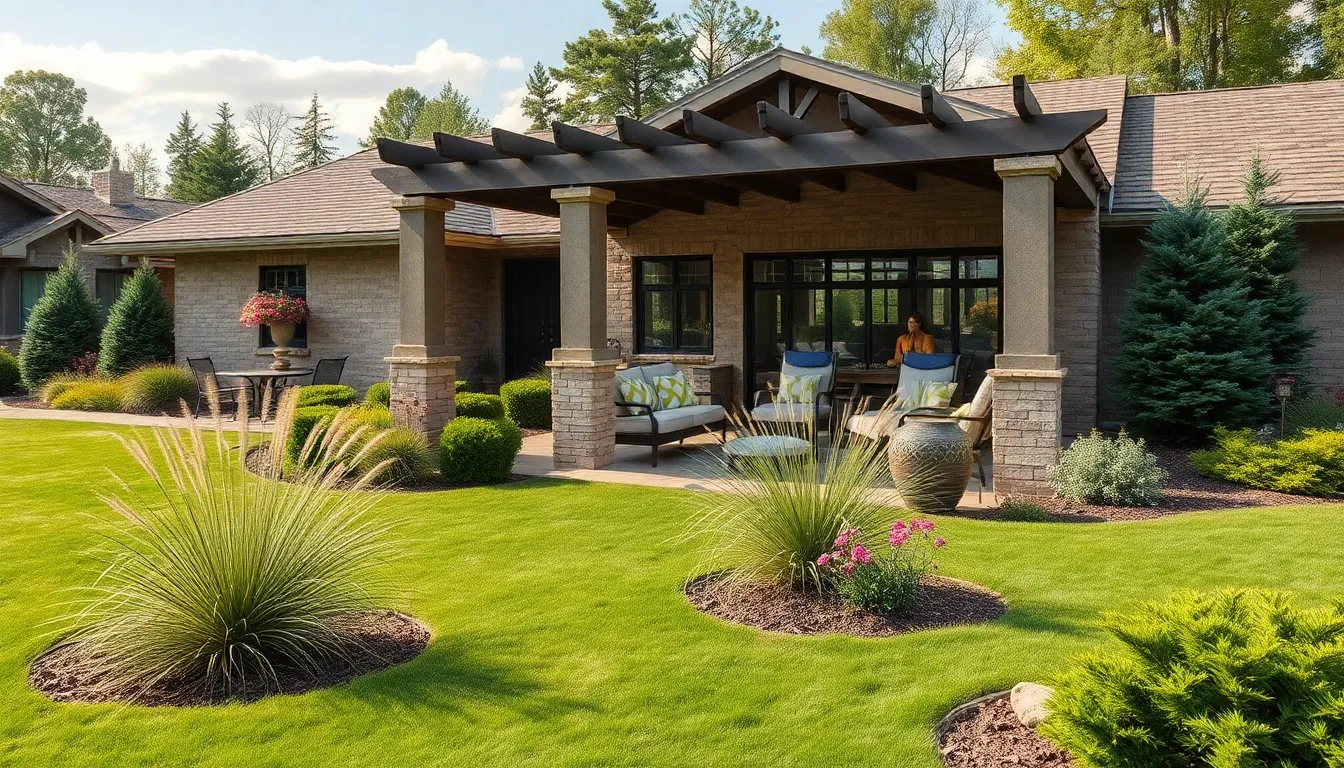
The Art of Seamless Living: Modern Ranch Landscaping Ideas
The ranch-style home, with its long, low-slung profile and inherent connection to the landscape, has been an enduring icon of American architecture since the mid-20th century. Originally designed to blend effortlessly with sprawling Western vistas, these homes champion comfort, casual living, and a deep appreciation for the outdoors. However, as contemporary lifestyles evolve, so too do our expectations for outdoor spaces. The challenge and beauty of modern ranch landscaping lie in harmonizing the classic, unpretentious charm of the ranch house with sleek, sustainable, and sophisticated design principles. This isn’t just about planting flowers; it’s about crafting a cohesive outdoor living environment that extends the home’s aesthetics, enhances functionality, and resonates with a modern sensibility.
At its core, modern ranch landscaping seeks to create a seamless transition between indoor and outdoor spaces, blurring the lines to foster a truly integrated living experience. It respects the existing architectural lines of the ranch home – its horizontality, its often simple material palette of stone, brick, and wood – and elevates them with contemporary elements. The goal is an environment that feels both natural and thoughtfully designed, comfortable yet refined, and above all, deeply connected to its specific place.
Understanding the Foundation: Ranch Aesthetics Meet Modern Design
Before diving into specific ideas, it’s crucial to grasp the interplay between the ranch home’s inherent character and modern design philosophy.
The Ranch Home’s DNA:
- Low Profile & Horizontality: Emphasizes breadth over height, often with a single story.
- Indoor-Outdoor Connection: Large windows, sliding glass doors, and direct access to patios are hallmarks.
- Simple Forms: Unpretentious, functional layouts.
- Natural Materials: Brick, stone, wood siding, large overhangs.
- Casual Comfort: A relaxed, unostentatious vibe.
Modern Design Principles:
- Clean Lines & Minimalism: Emphasis on simplicity, geometric forms, and uncluttered spaces.
- Functionality: Every element serves a purpose.
- Sustainability: Eco-conscious choices in materials, water usage, and plant selection.
- Innovative Materials: Concrete, steel, composite decking, drought-tolerant plants.
- Texture & Form: Often prioritized over riotous color.
- Integration with Technology: Smart irrigation, lighting.
Modern ranch landscaping, therefore, becomes a thoughtful fusion. It retains the welcoming, unpretentious spirit of the ranch but introduces a sophisticated clarity, an intentional design language that elevates the outdoor experience. It’s about creating outdoor "rooms" that feel like natural extensions of the indoor ones, using a restrained palette of materials and plants to achieve impact and harmony.
Core Principles of Modern Ranch Landscaping
To achieve this harmonious blend, several core principles guide the design process:
- Seamless Indoor-Outdoor Flow: This is paramount. The landscape should invite you out and draw the eye in. Patios should align with interior living spaces, and views from inside should be carefully framed by the outdoor design.
- Simplicity and Clean Lines: Echoing modern architecture, the landscape should avoid clutter. Geometric shapes, strong sightlines, and mass plantings contribute to a sense of order and calm.
- Sustainability and Low Maintenance: Modern living demands efficiency. Xeriscaping, native plant selection, efficient irrigation, and durable, long-lasting materials reduce water usage, chemical inputs, and ongoing effort.
- Connection to the Regional Landscape: A truly modern ranch landscape doesn’t fight its environment; it embraces it. Using native plants, understanding local climate conditions, and reflecting indigenous geology helps the landscape feel authentic and rooted.
- Emphasis on Texture, Form, and Structure: While color has its place, the modern ranch aesthetic often prioritizes the varied textures of foliage, the architectural forms of plants, and the structural elements of hardscaping to create visual interest throughout the year.
Key Elements and Ideas for Your Modern Ranch Landscape
Now, let’s explore specific components that bring these principles to life.
1. Hardscaping: The Bones of the Landscape
Hardscaping forms the structural backbone of your modern ranch landscape, defining spaces and guiding movement.
- Patios and Decks: These are the primary outdoor living rooms.
- Materials: Polished concrete (poured or large pavers), natural stone (flagstone, travertine, bluestone), composite decking, or even reclaimed wood. The key is quality and a clean installation.
- Design: Think expansive, multi-functional zones for dining, lounging, and cooking. Consider subtle level changes to define areas without rigid walls. Floating decks or patios that extend beyond the house’s footprint can enhance the sense of openness.
- Connection: Ensure direct, wide access from interior living spaces via sliding glass doors or French doors.
- Pathways: Connect different areas of the yard while maintaining visual flow.
- Materials: Decomposed granite, large concrete pavers set in gravel, smooth river stones, or even a simple, well-maintained lawn path.
- Design: Straight lines and gentle curves work well, respecting the ranch’s horizontality. Avoid overly winding, meandering paths unless they lead to a specific, secluded destination.
- Walls and Fences: Define boundaries, provide privacy, and add architectural interest.
- Materials: Low-slung gabion walls filled with local stone, Corten steel panels, stucco walls that match the house, horizontal slat wood fences (cedar, redwood), or even thoughtfully placed masonry.
- Design: Keep them integrated with the overall aesthetic – clean, simple, and functional.
- Water Features: Introduce a soothing element.
- Design: Opt for sleek, low-profile fountains, linear water channels, or a minimalist pond with clean edges. Naturalistic rock features can work if integrated carefully, but avoid overly ornate or traditional designs. The sound of moving water adds immensely to the ambiance.
- Fire Features: Extend outdoor enjoyment into cooler evenings.
- Design: A built-in gas fire pit with a concrete or stone surround, a modern steel fire bowl, or a sleek outdoor fireplace can serve as a focal point and gathering spot. These should be integrated into a patio or seating area.
2. Softscaping: The Living Elements
Planting brings the landscape to life, adding color, texture, and movement. The modern ranch approach favors a sophisticated, restrained palette.
- Plant Selection:
- Native & Drought-Tolerant (Xeriscaping): This is paramount for sustainability. Choose plants adapted to your local climate, reducing water and maintenance needs. Examples might include various succulents (Agave, Yucca, Sedum), ornamental grasses (Muir grass, Little Bluestem, Feather Reed Grass), Lavender, Rosemary, Salvia, and certain native shrubs.
- Architectural Plants: Select plants with strong forms that provide year-round structure. These act as natural sculptures. Think about spiky Yuccas, sculptural Agaves, or the upright blades of certain ornamental grasses.
- Texture Over Color: While splashes of color are welcome, focus on the interplay of different leaf shapes, sizes, and textures. Silvery foliage, fine feathery grasses, and broad, waxy leaves create depth.
- Mass Planting: Instead of planting a little bit of everything, use fewer varieties in larger drifts or groupings. This creates a more cohesive, impactful, and modern look. Repetition adds rhythm and calm.
- Trees: Provide shade, scale, and vertical interest.
- Selection: Choose trees appropriate for your climate and property size. Consider fruitless Olive trees for Mediterranean climates, Palo Verde or Desert Willow for arid regions, or Japanese Maples for more temperate zones (if their form aligns with the aesthetic). Avoid overly dense or messy trees near living spaces.
- Placement: Strategically place trees to frame views, create privacy, or cast essential shade on patios.
- Groundcover & Lawn Alternatives: Reduce traditional lawn areas for sustainability.
- Options: Decomposed granite, gravel, low-water groundcovers (creeping thyme, sedum, Dymondia), or artificial turf in specific, small areas. If a lawn is desired, choose a drought-tolerant variety and consider its shape – often geometric or a clean, expansive rectangle.
- Edible Gardens: Integrate raised garden beds for herbs and vegetables.
- Design: Use clean-lined raised beds made from Corten steel, wood, or concrete. Place them in a sunny, accessible location that integrates visually with the rest of the landscape.
3. Lighting: Setting the Mood and Functionality
Thoughtful lighting extends the usability of your outdoor space into the evening and highlights key features.
- Layered Lighting: Combine different types for various effects.
- Task Lighting: For cooking areas or pathways (e.g., subtle path lights, integrated grill lights).
- Accent Lighting: Uplight architectural plants, textured walls, or trees to create dramatic shadows.
- Ambient Lighting: String lights over a patio, subtle deck lights, or lanterns to create a warm, inviting glow.
- Materials & Technology: Use low-voltage LED fixtures for energy efficiency. Smart lighting systems allow for control via phone, scheduling, and dimming. Choose fixtures with clean, modern lines that disappear during the day.
4. Outdoor Furnishings and Decor: The Finishing Touches
Furnishings are crucial for defining outdoor "rooms" and reflecting your personal style.
- Style: Lean towards mid-century modern, minimalist, or contemporary designs. Look for clean lines, simple forms, and comfort.
- Materials: Weather-resistant materials like teak, powder-coated aluminum, stainless steel, concrete, and all-weather wicker.
- Functionality: Choose pieces that are comfortable and serve their purpose well. Sectionals for lounging, a large dining table for entertaining, and individual chairs for quiet contemplation.
- Art and Sculpture: A carefully chosen piece of outdoor art or sculpture can serve as a focal point, adding personality and sophistication.
- Planters: Use modern, geometric planters made of concrete, steel, or glazed ceramic to house smaller plants or seasonal color. Group them for impact.
5. Sustainable Practices: Beyond Plant Selection
True modern ranch landscaping embraces a holistic approach to sustainability.
- Rainwater Harvesting: Install rain barrels or a more sophisticated system to collect rainwater for irrigation.
- Composting: Integrate a composting system for kitchen and yard waste to enrich your soil.
- Smart Irrigation: Install drip irrigation systems for targeted watering and smart controllers that adjust based on weather conditions.
- Permeable Surfaces: Use permeable pavers or gravel for pathways and driveways to allow rainwater to infiltrate the ground, reducing runoff.
- Local Sourcing: Choose materials and plants sourced locally to reduce transportation costs and support local economies.
Designing Your Modern Ranch Landscape: A Step-by-Step Approach
Creating your ideal outdoor oasis involves thoughtful planning:
- Site Analysis & Assessment: Understand your property’s microclimates, sun exposure, drainage patterns, existing features (trees, slopes), and soil type. Note views you want to preserve or screen.
- Define Your Needs and Desires: How do you want to use the space? Do you need a large entertaining area, a quiet reading nook, a play area for children, a dog run, or an edible garden? What’s your budget?
- Conceptual Design & Zoning: Sketch out different "zones" or outdoor rooms based on your needs. Consider the flow between these zones and their relationship to the interior of your home.
- Material Palette Selection: Choose a consistent palette of 3-5 primary materials for hardscaping, ensuring they complement your home’s architecture.
- Planting Plan: Select plants based on the principles outlined above, considering mature size, water needs, and year-round interest. Group plants with similar requirements together.
- Lighting & Irrigation Plan: Map out where lighting fixtures are needed for safety, ambiance, and accent. Plan for an efficient irrigation system.
- Phased Implementation: If your budget is limited, break the project into manageable phases, starting with the most critical areas like the main patio and key pathways.
Conclusion
Modern ranch landscaping is an artful blend of past and present, tradition and innovation. It takes the beloved, comfortable spirit of the ranch home and infuses it with contemporary elegance, sustainability, and seamless functionality. By focusing on clean lines, a sophisticated material and plant palette, and a strong connection between indoor and outdoor spaces, you can transform your ranch property into a cohesive, inviting, and truly modern outdoor living environment. It’s about creating a landscape that not only looks beautiful but also enhances your lifestyle, providing a serene and stylish retreat that feels perfectly at home in the 21st century. Embrace the principles of simplicity, sustainability, and integrated design, and watch your modern ranch landscape flourish into a testament to harmonious living.