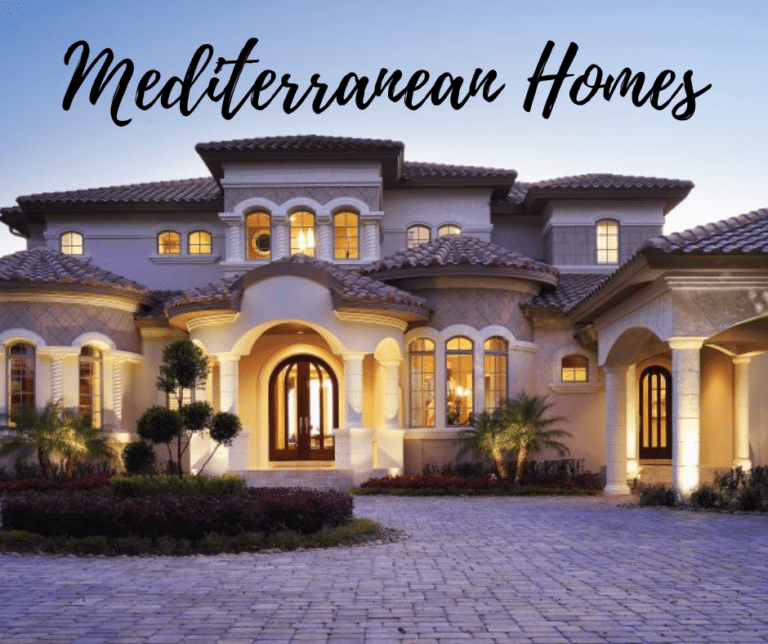
The Enduring Allure: Mediterranean Style House Builders in the USA
The sun-drenched coasts of the Mediterranean have long inspired dreams of idyllic living, characterized by warmth, natural beauty, and a timeless elegance. From the rustic charm of Italian villas to the Moorish influences of Spanish haciendas, the architectural styles born in this region have transcended geographical boundaries, finding a particularly enthusiastic embrace in the United States. In the sun-belt states, where climates often mirror those of Southern Europe, Mediterranean-style homes offer not just aesthetic appeal but also a functional design perfectly suited for indoor-outdoor living. This deep-rooted popularity has fostered a thriving niche for specialized Mediterranean style house builders across the USA, who are experts in translating these centuries-old designs into modern, luxurious homes.
This article delves into the fascinating world of Mediterranean-style house building in the USA, exploring its historical journey, defining architectural characteristics, the regions where it flourishes, and the crucial role of the dedicated builders who bring these magnificent visions to life.
A Journey Through Time: The Roots of Mediterranean Architecture
To understand the contemporary appeal of Mediterranean style, one must first appreciate its rich historical tapestry. The style is not monolithic but rather a harmonious blend of various influences from countries bordering the Mediterranean Sea, including Italy, Spain, Greece, France, and North Africa.
- Italianate and Tuscan: Characterized by classical proportions, grand facades, elaborate detailing, and often symmetrical designs. Tuscan style leans more towards rustic elegance, utilizing natural stone, exposed wooden beams, and warm, earthy color palettes.
- Spanish Colonial and Revival: Heavily influenced by Spain’s colonial past, particularly in the Americas. Key features include red tile roofs, stucco walls, wrought ironwork, arched doorways and windows, and interior courtyards. The Spanish Revival movement in the early 20th century, particularly in California and Florida, solidified its place in American architecture.
- Moorish/Mediterranean Revival: This broader category often incorporates elements from all these traditions, adding intricate tile work, horseshoe arches, and decorative patterns reminiscent of Moorish architecture from Spain and North Africa.
The introduction of these styles to the United States occurred primarily in the late 19th and early 20th centuries. Architects like Addison Mizner in Florida and Bertram Goodhue in California were instrumental in popularizing what became known as the "Mediterranean Revival" style. They recognized the suitability of these designs for the warm climates of the American South and Southwest, creating grand estates that evoked a sense of European grandeur and resort living. The Panama-California Exposition of 1915 in San Diego, designed largely in the Spanish Colonial Revival style, further cemented its appeal and spread its influence across the nation.
Defining the Aesthetic: Hallmarks of Mediterranean Style Homes
Mediterranean homes are instantly recognizable by a set of distinct architectural features that work together to create a cohesive and inviting aesthetic. These elements are not merely decorative; many serve practical purposes, such as providing shade, cooling interiors, or offering privacy.
Exterior Elements:
- Low-Pitched Red Tile Roofs: Perhaps the most iconic feature, terracotta or clay tiles (often barrel-shaped or pan-and-cover) are not just beautiful; they are durable, fire-resistant, and excellent insulators, helping to keep interiors cool in hot climates.
- Stucco Walls: Typically smooth or subtly textured, stucco is the preferred exterior finish. It allows for soft, rounded edges, provides excellent insulation, and is painted in warm, earthy tones like cream, ochre, terracotta, or crisp white, reflecting sunlight and evoking sun-baked landscapes.
- Arches: A defining characteristic, arches are ubiquitous – found in entryways, windows, loggias, and interior passages. They add a sense of grandeur, classicism, and fluidity to the design.
- Wrought Iron Details: Intricately crafted wrought iron is used for balconies, window grilles, gates, railings, and decorative accents, adding a touch of old-world craftsmanship and elegance.
- Courtyards and Patios: Central to the Mediterranean lifestyle, these outdoor living spaces are designed for relaxation and entertaining. They often feature fountains, lush landscaping, outdoor fireplaces, and comfortable seating, blurring the lines between indoor and outdoor environments.
- Symmetry and Asymmetry: While some designs embrace classical symmetry, many Mediterranean homes also feature charmingly asymmetrical layouts, adding character and a sense of organic growth.
- Natural Materials: Stone accents, heavy timber beams, and natural wood doors are frequently incorporated, grounding the home in its natural surroundings.
Interior Elements:
- Warm Color Palettes: Interiors mirror the exterior’s warmth, with colors ranging from deep terracotta and olive green to various shades of cream, beige, and gold.
- Terracotta and Stone Flooring: Cool and durable, these materials are ideal for warm climates and contribute to the rustic, earthy feel. Dark hardwood floors are also common.
- Exposed Wooden Beams: Often dark-stained, these beams add a rustic, authentic touch to ceilings, particularly in living rooms and kitchens.
- Plaster Walls: Similar to the exterior, interior walls are often finished with plaster, providing a smooth, textured surface that reflects light softly.
- Large Windows and Doors: Designed to maximize natural light and facilitate a seamless transition to outdoor spaces, often with deep sills for shade.
- Ornate Details: Hand-painted tiles, decorative iron light fixtures, carved wood details, and built-in niches add layers of sophistication and charm.
- Open Floor Plans (Modern Interpretation): While traditional Mediterranean homes might have more segmented rooms, modern interpretations often integrate open-concept living areas while maintaining the traditional aesthetic through materials and detailing.
The American Landscape: Where Mediterranean Reigns Supreme
The suitability of Mediterranean architecture to certain US climates and cultural preferences has led to its particular dominance in specific regions.
California: The Cradle of Spanish Colonial Revival
California’s historical ties to Spain and its Mediterranean climate made it a natural fit for this architectural style. From the grand estates of Beverly Hills and Santa Barbara to the charming bungalows of Pasadena, Spanish Colonial and Mediterranean Revival homes are an integral part of the state’s architectural heritage. Builders here specialize in:
- Restoration: Meticulously restoring historic homes to their former glory, often incorporating modern amenities while preserving original details.
- New Custom Builds: Creating bespoke Mediterranean estates that blend traditional elements with contemporary luxury, often featuring expansive courtyards, infinity pools, and panoramic views.
- Santa Barbara Style: A distinct California interpretation, characterized by white stucco walls, low-pitched red tile roofs, arched windows, and a strong emphasis on indoor-outdoor living, often with lush, drought-tolerant landscaping.
Florida: Sunshine, Grandeur, and the Mizner Legacy
Florida, with its subtropical climate and long history of Spanish influence, is another stronghold for Mediterranean architecture. From the opulent mansions of Palm Beach and Coral Gables to the vibrant homes of Miami, the style evokes a sense of perpetual vacation and old-world glamour. Florida builders often focus on:
- Coastal Adaptations: Designing homes that can withstand hurricane forces while maintaining the aesthetic, often incorporating reinforced concrete structures and specialized roofing.
- Resort-Style Living: Creating properties that feel like private resorts, complete with elaborate pools, outdoor kitchens, loggias, and lush, tropical landscaping.
- Mediterranean Revival Grandeur: Drawing inspiration from pioneers like Addison Mizner, these builders construct homes with intricate detailing, grand entrances, and a strong sense of formal elegance.
Arizona and Texas: Desert Oases and Spanish Hacienda Influences
In the arid landscapes of Arizona and the sprawling plains of Texas, Mediterranean style often blends with Southwestern and Spanish Colonial influences. The stucco walls and shaded courtyards are particularly effective in these hot, dry climates. Builders in these states specialize in:
- Desert-Adapted Designs: Utilizing thick stucco walls for insulation, deep overhangs for shade, and water-wise landscaping (xeriscaping) that complements the natural environment.
- Hacienda Style: Emphasizing large, private courtyards, heavy timber elements, and a rustic yet refined aesthetic that evokes historic ranches and estates.
- Integration with the Landscape: Designing homes that harmonize with the desert or scrubland, often featuring panoramic views and seamless transitions to outdoor living spaces that become oases in the heat.
The Craft of Building: What Defines a Top Mediterranean Style Builder
Building a Mediterranean-style home requires more than just general construction knowledge; it demands a deep understanding of the architectural nuances, an eye for historical authenticity, and the skill to blend timeless design with modern functionality. Top Mediterranean style house builders in the USA typically possess several key attributes:
- Specialized Expertise and Portfolio: They have a proven track record of constructing high-quality Mediterranean homes. Their portfolios will showcase a range of projects, demonstrating their ability to execute various sub-styles (Tuscan, Spanish Colonial, Moorish, etc.) and adapt them to client needs.
- Design-Build Capabilities: Many excellent builders offer integrated design-build services, meaning they handle both the architectural design and the construction. This ensures a cohesive vision from concept to completion, with the builder’s practical experience informing the design process from the outset.
- Mastery of Materials and Techniques: They are experts in working with traditional materials like stucco, clay tiles, wrought iron, and natural stone. They understand the proper application of stucco for durability and aesthetic effect, the correct installation of tile roofs, and the intricate craftsmanship required for custom ironwork and woodworking.
- Attention to Detail: The beauty of Mediterranean architecture lies in its details. Top builders pay meticulous attention to the proportions of arches, the authenticity of tile patterns, the quality of hand-forged iron, and the seamless integration of indoor and outdoor spaces.
- Collaboration with Artisans: They often have established relationships with skilled artisans – ironworkers, tile setters, custom woodworkers, and landscapers – who can execute the specialized features characteristic of the style.
- Understanding of Climate and Site: They design and build with the specific climate and topography of the site in mind, optimizing for natural light, cross-ventilation, shade, and views, while respecting the local environment.
- Integration of Modern Amenities: While preserving the traditional aesthetic, leading builders adeptly integrate modern comforts and technologies – smart home systems, energy-efficient windows, state-of-the-art kitchens, and luxurious bathrooms – without compromising the home’s timeless charm.
- Sustainability Practices: Increasingly, builders are incorporating sustainable elements, such as energy-efficient HVAC systems, drought-tolerant landscaping, rainwater harvesting, and responsibly sourced materials, aligning the homes with contemporary environmental consciousness.
Challenges and Evolving Trends in Mediterranean Home Building
While the core appeal of Mediterranean style remains constant, builders face evolving challenges and opportunities:
- Balancing Authenticity with Modern Living: Clients often desire the charm of a Mediterranean villa but also open floor plans, larger windows, and contemporary finishes. Builders must skillfully blend these desires without creating a pastiche. This has led to the rise of "Modern Mediterranean" or "Transitional Mediterranean" styles, which simplify traditional details and incorporate cleaner lines while retaining the characteristic materials and warm palette.
- Cost of Craftsmanship: Authentic Mediterranean homes often require skilled labor and specialized, often imported, materials (e.g., specific roof tiles, hand-painted tiles). This can make them more expensive to build than conventional homes. Builders must manage client expectations and offer options that balance budget with desired authenticity.
- Sustainability and Resilience: In an era of climate change, builders are increasingly focused on making these homes more sustainable. This includes designing for passive cooling, using highly insulating materials, incorporating solar panels, and employing xeriscaping in arid regions. In coastal areas, building for hurricane or earthquake resilience is paramount.
- Permitting and Regulations: Adhering to local zoning laws, historical preservation guidelines (if applicable), and building codes can be complex, especially for unique architectural styles. Experienced builders navigate these challenges efficiently.
Finding Your Dream Builder: A Guide for Homeowners
For those dreaming of a Mediterranean-style home, selecting the right builder is paramount. Here’s how to approach the search:
- Research Extensively: Start online. Look for builders specializing in Mediterranean or European styles in your desired region. Explore their websites, portfolios, and client testimonials.
- Review Their Portfolio: Pay close attention to the quality of their past projects. Do they align with your aesthetic preferences? Look for attention to detail in stucco finishes, tile work, ironwork, and landscaping.
- Check References: Speak to previous clients. Ask about their experience with the builder’s communication, adherence to budget and timeline, problem-solving abilities, and overall satisfaction.
- Interview Multiple Builders: Meet with at least three prospective builders. Discuss your vision, budget, and timeline. Evaluate their understanding of your specific Mediterranean style preference (e.g., Tuscan vs. Spanish Colonial).
- Assess Their Team: Inquire about their architects, designers, and key subcontractors. A strong, experienced team is crucial for a complex build.
- Understand Their Process: Ask about their project management approach, communication strategy, and how they handle changes or unforeseen issues.
- Verify Licenses and Insurance: Ensure the builder is properly licensed and insured in your state.
- Trust Your Gut: Building a custom home is a significant undertaking. Choose a builder with whom you feel comfortable and confident, and who shares your passion for the Mediterranean aesthetic.
Conclusion
The allure of Mediterranean-style homes in the USA is more than just a passing trend; it’s a testament to the timeless beauty, functionality, and inherent connection to nature that these architectural masterpieces offer. From the sun-baked stucco walls to the cool embrace of terracotta tiles, and the serene beauty of private courtyards, these homes provide a sanctuary that feels both grand and intimate.
The dedicated Mediterranean style house builders across the USA are the torchbearers of this legacy. Through their specialized expertise, meticulous craftsmanship, and ability to blend historical authenticity with modern luxury, they continue to transform visions of European charm into tangible realities, creating homes that are not just structures, but expressions of a beautiful, enduring lifestyle. As long as the sun shines brightly in the American South and Southwest, the dream of Mediterranean living, meticulously crafted by these skilled builders, will continue to flourish.