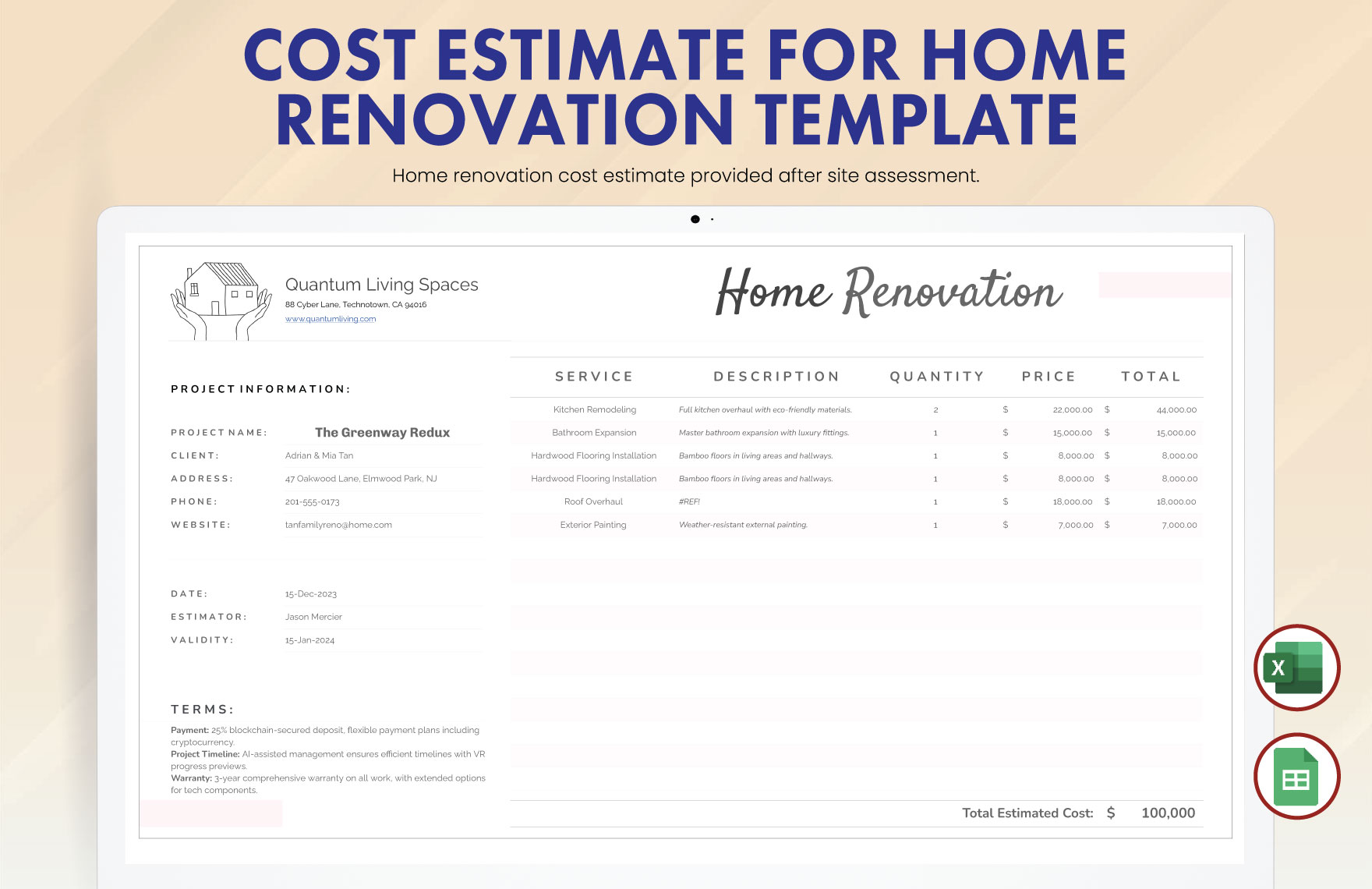
Unveiling the Costs: A Comprehensive Guide to House Facade Renovation Cost Estimates
The facade of your home is more than just its outer shell; it’s the first impression, a statement of style, and the primary protector against the elements. Over time, wear and tear, changing aesthetics, or the desire for improved energy efficiency often lead homeowners to consider a facade renovation. However, the question that quickly follows the dream is: "How much will it cost?"
Estimating the cost of a house facade renovation can feel like navigating a labyrinth. With myriad material choices, labor complexities, and unexpected contingencies, arriving at a realistic budget requires careful consideration. This comprehensive guide aims to demystify the process, providing a detailed breakdown of factors influencing costs, typical material expenses, hidden charges, and strategies to secure an accurate estimate for your dream facade.
Why Renovate Your Facade? Beyond Just Aesthetics
Before diving into the numbers, it’s worth reiterating the compelling reasons homeowners undertake facade renovations:
- Enhanced Curb Appeal: A fresh facade dramatically improves the home’s visual attractiveness, boosting pride of ownership.
- Increased Property Value: A well-maintained and aesthetically pleasing exterior significantly increases market value, offering a strong return on investment.
- Protection from Elements: Updating materials can offer superior protection against weather, moisture, and pests, extending the lifespan of your home’s structure.
- Improved Energy Efficiency: Modern materials and proper insulation can drastically reduce heating and cooling costs.
- Addressing Structural Issues: Renovation often uncovers and rectifies underlying problems like rot, cracks, or water damage.
- Personalization and Modernization: Aligning the home’s exterior with contemporary trends or personal taste.
Understanding these benefits reinforces that a facade renovation is not merely an expense but a significant investment in your property.
Key Factors Influencing Facade Renovation Costs
The cost of renovating your house facade is highly variable, dictated by a multitude of factors. Understanding these will help you begin to formulate a realistic budget:
-
Size and Complexity of the House:
- Square Footage: Larger homes naturally require more materials and labor.
- Architectural Features: Intricate designs, multiple gables, bay windows, dormers, turrets, or elaborate trim work significantly increase labor time and material waste, driving up costs. A simple, box-like structure will be cheaper to clad than a Victorian with many corners and details.
- Height: Multi-story homes require scaffolding, specialized equipment, and additional safety measures, all of which add to the labor cost.
-
Current Condition of the Existing Facade:
- Structural Integrity: If there’s underlying rot, extensive cracking, mold, or structural damage, significant remediation will be required before new materials can be installed. This can add thousands to the project.
- Asbestos or Lead Paint: Older homes might contain hazardous materials that require specialized, costly removal by certified professionals.
- Preparation Work: Extensive scraping, cleaning, repairing, or demolition of the old facade takes time and labor.
-
Choice of Materials: This is arguably the single most significant cost driver. Materials vary widely in price, durability, maintenance requirements, and installation complexity. We’ll delve into specific material costs shortly.
-
Labor Rates and Availability:
- Geographic Location: Labor costs vary significantly by region, state, and even within different cities due to local economic conditions and cost of living.
- Contractor’s Experience and Reputation: Highly skilled, in-demand contractors often charge more, but their expertise can save money in the long run through quality workmanship and efficiency.
- Project Duration: The longer the project takes, the higher the labor costs.
-
Scope of Work:
- Partial vs. Full Renovation: Are you just repainting, or are you replacing all siding, windows, and doors, and perhaps adding insulation? A complete overhaul will, of course, be more expensive.
- Additional Elements: Will the renovation include new gutters, soffits, fascias, exterior lighting, or even landscaping changes impacted by the work?
Breakdown of Costs by Material Type
Let’s explore common facade materials and their general cost implications. Please note, these are illustrative ranges and can fluctuate significantly based on quality, manufacturer, and market conditions. Costs are often quoted per square foot (SF) or per linear foot (LF) for trim.
-
Painting (Most Affordable Option):
- Material Cost: $0.50 – $2.00 per SF (paint, primer, caulk, tape).
- Labor Cost: $2.00 – $6.00 per SF (including prep, patching, scraping, two coats).
- Total Estimated Cost: $2.50 – $8.00 per SF.
- Considerations: Requires thorough preparation (cleaning, scraping, sanding, patching). Durability depends on paint quality and climate. Typically needs repainting every 5-10 years.
-
Rendering/Stucco (Mid-Range Option):
- Material Cost: $1.00 – $4.00 per SF (cement, acrylic, EIFS systems).
- Labor Cost: $4.00 – $10.00 per SF (application, finishing, scaffolding).
- Total Estimated Cost: $5.00 – $14.00 per SF.
- Considerations: Offers a seamless, modern look. Cement stucco is traditional and durable; acrylic stucco is more flexible and resistant to cracking; EIFS (Exterior Insulation and Finish System) provides superior insulation but is more complex to install. Requires skilled labor. Repairs can be tricky to match.
-
Siding (Varies from Affordable to High-End):
- A. Vinyl Siding:
- Material Cost: $1.00 – $5.00 per SF.
- Labor Cost: $2.00 – $6.00 per SF.
- Total Estimated Cost: $3.00 – $11.00 per SF.
- Considerations: Most budget-friendly, low maintenance, wide range of colors and styles. Can crack in extreme cold or warp in extreme heat. Less durable than other options.
- B. Wood Siding (Cedar, Pine, Redwood):
- Material Cost: $3.00 – $15.00 per SF (depending on wood type and finish).
- Labor Cost: $4.00 – $12.00 per SF.
- Total Estimated Cost: $7.00 – $27.00 per SF.
- Considerations: Natural, attractive aesthetic. Requires regular maintenance (painting, staining, sealing) to prevent rot, pests, and weathering. Can be prone to fire.
- C. Fiber Cement Siding (e.g., HardiePlank):
- Material Cost: $2.00 – $8.00 per SF.
- Labor Cost: $4.00 – $12.00 per SF (heavier and more complex to install than vinyl).
- Total Estimated Cost: $6.00 – $20.00 per SF.
- Considerations: Extremely durable, fire-resistant, rot-resistant, pest-resistant. Mimics the look of wood. Requires painting every 10-15 years.
- D. Metal Siding (Steel, Aluminum):
- Material Cost: $3.00 – $10.00 per SF.
- Labor Cost: $4.00 – $12.00 per SF.
- Total Estimated Cost: $7.00 – $22.00 per SF.
- Considerations: Very durable, low maintenance, modern aesthetic. Can dent. Steel is heavier and more robust; aluminum is lighter.
- A. Vinyl Siding:
-
Brick or Stone Veneer (Premium Options):
- Material Cost: $5.00 – $25.00 per SF (depending on type, natural stone being pricier).
- Labor Cost: $8.00 – $30.00 per SF (highly skilled masonry work).
- Total Estimated Cost: $13.00 – $55.00 per SF.
- Considerations: Extremely durable, virtually maintenance-free, timeless appeal, high ROI. Very labor-intensive and requires specialized masonry skills. Adds significant weight to the structure, potentially requiring additional foundation reinforcement (rare for veneer but possible for full brick).
Important Note on Windows and Doors: While integral to the facade’s appearance, replacing windows and doors is typically a separate line item and can add significantly to the overall renovation cost (ranging from $300 to $2,000+ per window/door, installed, depending on material, size, and type). This article primarily focuses on the surface cladding of the facade.
The "Hidden" Costs You Must Account For
Many homeowners underestimate the true cost of a renovation because they overlook crucial ancillary expenses. A realistic budget must include a buffer for these:
-
Preparation and Remediation:
- Structural Repairs: Rotting wood, damaged framing, or foundation issues discovered during demolition.
- Moisture Damage: Mold remediation, fixing leaks, or replacing water-damaged insulation.
- Asbestos/Lead Paint Removal: Specialized contractors and disposal can cost thousands.
- Pest Damage: Repairing damage from termites, carpenter ants, or rodents.
- Cost Impact: Can range from a few hundred dollars to tens of thousands depending on severity.
-
Demolition and Waste Disposal:
- Removing the old facade material, hauling it away, and disposal fees. This can be substantial, especially for heavy materials like old stucco, brick, or large quantities of wood.
- Cost Impact: $500 – $3,000+.
-
Permits and Inspections:
- Most significant exterior renovations require local building permits to ensure compliance with safety and zoning codes. Inspections are mandatory throughout the process.
- Cost Impact: $100 – $1,000+ depending on municipality and project scope. Failure to obtain permits can lead to fines and forced rework.
-
Scaffolding and Access Equipment:
- For multi-story homes or complex architectural features, scaffolding is essential for safety and efficient work. Rental and setup costs can be significant.
- Cost Impact: $500 – $5,000+ for rental, setup, and removal over the project duration.
-
Design and Architectural Fees:
- If you’re making significant structural changes, adding extensions, or desire a custom look, an architect or designer’s expertise can be invaluable but comes at a cost (typically 5-15% of the total project cost).
- Cost Impact: $1,000 – $10,000+.
-
Landscaping Protection and Restoration:
- Contractors should protect existing landscaping, but some damage is inevitable. Budget for replanting, soil repair, or general cleanup.
- Cost Impact: $200 – $1,500+.
-
Contingency Fund (Crucial!):
- No matter how meticulously you plan, unexpected issues will arise. Always allocate an additional 10-20% of your total estimated budget for unforeseen circumstances. This acts as a financial safety net.
- Cost Impact: 10-20% of the entire project budget.
DIY vs. Professional: A Cost-Benefit Analysis
Deciding whether to tackle parts of the renovation yourself or hire professionals has significant cost implications.
DIY Approach:
- Pros: Significant savings on labor costs, complete control over the project, satisfaction of personal achievement.
- Cons: Requires considerable time, specific skills, specialized tools, and a strong understanding of building codes and safety. Mistakes can be costly to fix and may compromise the facade’s integrity or aesthetic. Safety risks are higher.
- Best For: Small, simple projects like repainting a single-story home or minor repairs if you have the necessary skills and time.
Professional Contractor:
- Pros: Expertise, efficiency, quality workmanship, adherence to codes, access to specialized tools and materials, often comes with warranties, insured against accidents.
- Cons: Higher upfront cost due to labor.
- Best For: All but the simplest facade renovations, especially those involving structural changes, complex materials, or multi-story homes.
For most facade renovations, hiring a reputable professional is the recommended path to ensure durability, safety, and a high-quality finish.
Getting Accurate Estimates and Quotes
Securing a precise cost estimate is critical for budget planning. Follow these steps:
-
Define Your Scope of Work Clearly:
- What exactly do you want done? Be specific about materials, colors, styles, and any additional features (e.g., new trim, insulation).
- Take photos of your existing facade and any areas of concern.
- Consider creating a detailed wish list or even a simple drawing.
-
Get Multiple Quotes (3-5 is Ideal):
- Contact several reputable contractors. Ask for detailed, itemized quotes that break down material costs, labor costs, and any additional fees.
- Ensure all quotes are based on the exact same scope of work for accurate comparison.
-
Check References and Reviews:
- Always ask for references from previous clients and check online reviews (Google, Yelp, Angi, etc.).
- Verify their licensing and insurance. A legitimate contractor will have liability insurance and workers’ compensation.
-
Understand What’s Included and Excluded:
- Does the quote include demolition and disposal? Scaffolding? Permits? Cleanup?
- Are materials specified by brand and type, or just a generic description?
- Are warranties offered on both materials and labor?
-
Get Everything in Writing:
- A comprehensive contract is essential. It should detail the scope of work, materials, timeline, payment schedule, change order process, and warranties.
- Never pay the full amount upfront. A common payment structure involves a deposit, progress payments, and a final payment upon satisfactory completion.
Strategies for Saving Money Without Compromising Quality
While facade renovation is an investment, there are ways to manage costs:
- Phased Approach: If a full overhaul is too expensive, consider tackling the renovation in stages (e.g., repaint this year, replace siding next year, add new trim later).
- Material Selection: Explore cost-effective alternatives. For instance, vinyl siding offers great value, or you might opt for fiber cement over natural stone. Sometimes, a combination of materials (e.g., stone veneer accent with fiber cement siding) can achieve a high-end look at a lower overall cost.
- DIY for Prep/Cleanup: If you’re comfortable and capable, you might handle some of the simpler prep work (e.g., power washing, removing old fixtures) or post-project cleanup to reduce labor hours. Discuss this with your contractor beforehand.
- Off-Season Work: In some regions, contractors might offer slightly lower rates during their slower seasons (e.g., late fall or winter, weather permitting).
- Negotiate: Don’t be afraid to negotiate, especially if you have multiple competitive quotes. However, be wary of exceptionally low bids, as they might indicate cutting corners or inexperience.
- Energy Efficiency Upgrades: While an upfront cost, combining your facade renovation with insulation upgrades (e.g., rigid foam board under new siding) can lead to long-term savings on utility bills, effectively recouping some of your investment. Check for local rebates or tax credits for energy-efficient upgrades.
The Return on Investment (ROI)
A well-executed facade renovation offers a strong return on investment. While exact percentages vary by region and market conditions, studies consistently show that exterior renovations rank among the top projects for ROI.
- Increased Property Value: A fresh, attractive exterior can significantly boost your home’s appraisal value, making it more appealing to potential buyers if you decide to sell.
- Faster Sale: Homes with great curb appeal often sell faster and at closer to (or above) asking price.
- Protection and Longevity: Investing in quality materials and installation protects your home’s structural integrity, preventing more costly repairs down the line.
- Personal Enjoyment: Beyond financial returns, there’s immense satisfaction in living in a home that looks fantastic and provides superior comfort and protection.
Conclusion
Embarking on a house facade renovation is an exciting venture that can profoundly transform your home’s aesthetics, protection, and value. However, a successful project hinges on meticulous planning and a realistic financial outlook. By understanding the diverse factors that influence costs – from material choices and labor rates to hidden expenses and the necessity of a contingency fund – homeowners can approach the renovation process with confidence.
Remember to clearly define your vision, seek multiple detailed quotes from reputable professionals, scrutinize contracts, and prioritize quality over simply the lowest bid. With careful consideration and a comprehensive cost estimate, your dream facade can become a tangible reality, delivering both immediate satisfaction and long-term benefits for your most valuable asset.